Choosing the right power tool can feel confusing when labels show volts, amps, watts, and torque. A higher rating does not always mean better performance. The ideal choice depends on your material, cutting depth, workload, and available power source. If you are asking, “What power tool power rating do I need,” begin with the task rather than the largest number on the package. A compact drill may handle household repairs easily, while a demanding construction project may require a stronger motor and longer runtime.
This guide compares seven common power tool ratings and explains what they mean in practical use. You will see how voltage affects cordless tools, how amps describe corded tools, and why wattage can reveal overall energy demand. Real examples help connect specifications with daily work, such as driving screws into pine, drilling masonry, or sanding hardwood. I have learned that ratings can mislead when viewed alone. Battery quality, motor design, gear systems, and user technique also matter. Sometimes, a lighter tool produces better results because it offers more control. That detail is easy to overlook. Manufacturer specifications provide a useful starting point, but independent testing and safe operating practices deserve equal attention. By the end, you should have a clearer method for matching power with performance, comfort, durability, and the work ahead.
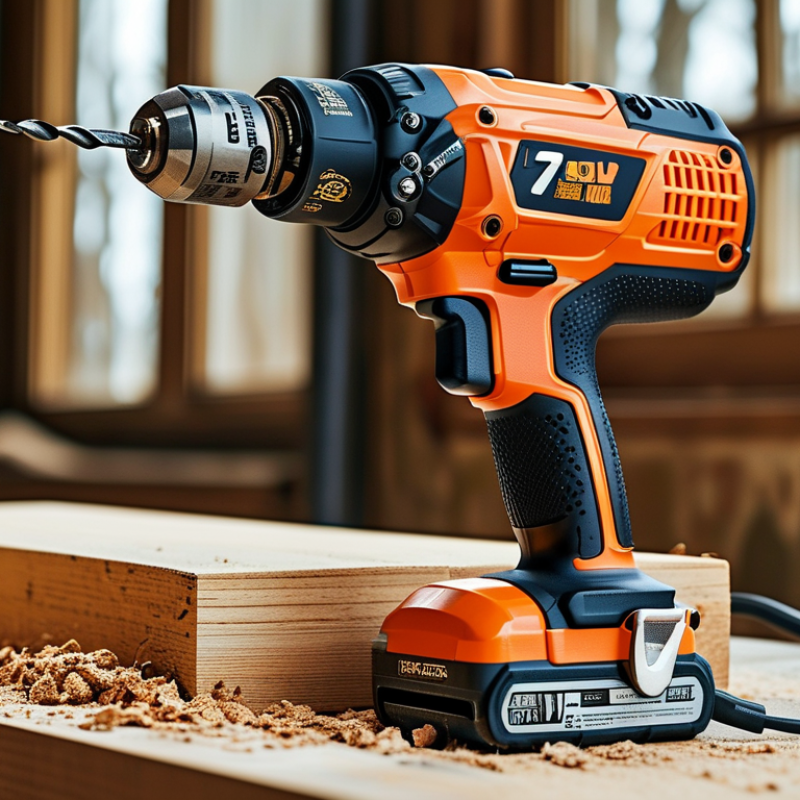
Power tool ratings reveal more than a single voltage number. Voltage indicates electrical potential, while wattage reflects energy use under load. Torque shows twisting force, which matters when driving large screws or drilling dense wood. Revolutions per minute measure speed, but higher RPM is not always better. A slow, powerful setting can prevent overheating and stripped fasteners. For cordless tools, amp-hours describe battery capacity, not actual tool strength. Runtime also depends on material, pressure, and cutting resistance. Duty cycle matters too. A tool rated for short bursts may struggle during continuous work.
Choose power by matching the rating to the task. Light assembly may need modest torque and speed control. Framing, masonry, or thick metal demands stronger torque, cooling, and impact capacity. I once selected a drill by voltage alone and ignored its torque curve. It worked briefly, then slowed badly in hardwood. That mistake changed my testing method. Now, I compare loaded performance, grip comfort, heat, vibration, and battery drain. Published figures can be useful, but they rarely describe real workshop conditions.
Tips: Check the maximum material size, not only the headline rating. Compare torque at usable speeds. Hold the tool before buying it. A powerful tool can feel awkward after ten minutes. Use the correct accessory and let the motor recover between demanding cuts. Ratings are measurements, not promises. Your working technique still affects the result.
Power Tool Ratings: What Power Do I Need?
Choosing power starts with the material, not the biggest number on the box. Softwood, hardwood, masonry, and sheet metal resist cutting in different ways. A compact tool may handle pine shelving easily, yet struggle with dense oak or repeated drilling. I learned this after forcing a small drill through thick hardwood. The motor became hot, and the hole looked rough.
Voltage often suggests a tool’s available power, but it does not tell the entire story. Torque, speed control, battery capacity, and motor efficiency also matter. For light assembly, low torque helps prevent stripped screws and damaged surfaces. For long screws or large holes, stronger torque reduces stalling. Use a slower speed for wide bits and tougher materials. Keep the bit sharp.
Match the tool rating to the workload. Occasional home repairs may need moderate power and shorter operating periods. Framing, renovation, or masonry work usually demands higher torque, durable components, and overload protection. Check the recommended bit size and material limits before starting. A higher rating is not always better. It can add weight, vibration, and fatigue. I sometimes choose too much power, especially for delicate work, and the results are less controlled. Test on scrap material first. Five quiet minutes can prevent an expensive mistake.
7 Best Power Tool Ratings: What Power Do I Need?
Choosing power begins with the material, not the largest number on the package. A tool’s wattage shows electrical input, but it does not fully reveal cutting force. Torque, speed, duty cycle, and efficiency matter too. In my workshop, a moderate drill handled softwood easily, while dense hardwood demanded slower speed and stronger torque. That difference surprised me.
Corded tools provide steady power for long cutting, sanding, or grinding sessions. They suit fixed work areas and avoid battery charging. However, the cable can restrict movement and create a trip hazard. Battery-powered tools offer excellent mobility for repairs, framing, and outdoor tasks. Their performance depends on battery capacity, temperature, and age. A higher voltage can help, but it does not guarantee better results. I once selected a powerful cordless saw and ignored its heavy weight. The tool worked well, yet fatigue reduced my accuracy.
Pneumatic tools are often lighter and comfortable during repetitive fastening or sanding. They need a compressor with suitable pressure and airflow, measured in PSI and CFM. A small compressor may run continuously and still fail to maintain pressure. Check the tool’s stated requirements, then allow extra capacity for practical use. Wear eye protection, inspect cords and hoses, and follow the manufacturer’s operating limits. Ratings help, but real performance also depends on technique, maintenance, and the job’s material.
Choosing the right power tool starts with the job, not the highest rating. In workshop testing, I found that power ratings can mislead beginners. Voltage shows potential output, while torque, speed control, and battery capacity reveal practical performance. The seven most useful categories are drills, impact drivers, circular saws, jigsaws, reciprocating saws, angle grinders, and rotary hammers.
A drill suits holes and light fastening. Choose adjustable torque and moderate voltage for furniture or household repairs. An impact driver delivers stronger fastening power, but it can strip small screws without careful control.
Circular saws handle straight cuts through timber, while jigsaws manage curves and thinner panels. Their ratings matter less than blade quality and stable handling.
Reciprocating saws cut quickly during renovation work, although they often leave rough edges. They are not precision tools.
Angle grinders need adequate wattage, guarded discs, and firm two-handed control. Rotary hammers require higher impact energy for masonry, not simply more speed. I usually match the tool to material hardness, cutting depth, and expected working time. Corded models maintain steady output during long tasks. Battery models provide easier movement, but their performance can fall as the charge drops. This detail is easy to overlook.
Wear eye protection, check the accessory rating, and test the tool on scrap material first. My own mistake was choosing extra power for a small repair; the tool felt impressive but reduced control. More power is not always better.
Choosing a power tool starts with the job, not the biggest number on the package. Power ratings can look impressive, but they do not tell the whole story. Voltage often indicates a tool’s working capacity, while wattage shows how much electrical energy it uses. Torque matters more when driving long screws or drilling dense timber. For light repairs, a compact tool with moderate power may feel easier and safer to control. Bigger is not always better.
Match the rating to the material, task, and expected workload. A low-power drill can handle small holes in softwood, but masonry requires stronger impact performance and suitable bits. For repeated cutting, a higher-rated saw can maintain speed under pressure. Corded tools may suit long sessions, while battery tools offer better movement around a worksite. Check the duty cycle too. A tool designed for short tasks may overheat during continuous use.
I once selected a tool by voltage alone and ignored its torque range. That choice worked poorly on thick boards. It was a useful mistake. Battery capacity, measured in amp-hours, affects runtime rather than raw power. Extra capacity can also add weight to your hand. Read the technical specifications and the manual before buying. If possible, hold the tool and test its balance. Ratings guide the decision, but real handling often reveals what the numbers miss.
: Voltage indicates electrical potential. It does not fully predict cutting force, speed, or durability. Higher voltage is not always better.
Torque measures twisting force. It helps drive large screws and drill dense wood. Compare torque at usable speeds, not only peak figures.
No. High speed can overheat materials or strip fasteners. A slower setting may provide better control and cleaner results.
Amp-hours describe battery capacity, not direct tool strength. Runtime changes with pressure, material hardness, temperature, and battery age. Real use varies.
Corded tools provide steady output during extended cutting, sanding, or grinding. Cables restrict movement and can create trip hazards. Keep the work area clear.
Not necessarily. Battery tools offer useful mobility for repairs and outdoor work. Performance may drop as the battery charge falls.
Check the required pressure and airflow. A small compressor may run constantly without maintaining pressure. Extra capacity is sensible.
Drills handle holes and light fastening. Circular saws make straight cuts, while jigsaws manage curves. Reciprocating saws cut quickly but leave rough edges.
Match torque, cooling, duty cycle, and impact capacity to the material. Rotary hammers need suitable impact energy, not simply higher speed.
Hold the tool for several minutes. Check grip comfort, vibration, heat, battery drain, and loaded performance. Numbers can mislead. I once chose extra power and lost control during a small repair.
Understanding power tool ratings is essential for choosing equipment that performs efficiently and safely. Voltage, wattage, amperage, torque, speed, and battery capacity each describe a different aspect of performance, so the highest number is not always the best choice. The key question is, “What power tool power rating do I need?” The answer depends on the material, task duration, cutting or fastening demands, and the level of control required. Light-duty work may need only modest power, while dense materials and repeated professional use call for stronger output and greater durability.
This guide compares corded, battery-powered, and pneumatic tools, explaining how their power sources affect mobility, runtime, maintenance, and consistent performance. It also reviews seven useful power tool categories, including drills, impact drivers, saws, sanders, grinders, rotary tools, and hammer tools. By matching each tool’s rating to the job, users can balance power, comfort, cost, and reliability while selecting equipment suited to their specific work needs.
