Why Brushless Tools Outperform Brushed Tools in Performance Tips?

Time:2026-07-20 Author:Ethan
0%

In recent years, the debate over brushless and brushed tools has intensified. Many professionals and DIY enthusiasts seek to understand why brushless tools perform better than brushed ones. According to a report from the Electric Tools Association, brushless motors increase energy efficiency by up to 30%. This translates directly into longer battery life and increased runtime.

Brushless tools are known for their high torque and smooth operation. They generate less heat during use, reducing wear on components. A study by Tool Tech Insights found that brushless models can operate at a higher power output without overheating. This makes them ideal for demanding tasks. However, it is important to acknowledge that brushless tools often require a higher initial investment.

While the advantages are clear, some users may find the cost prohibitive. Transitioning to brushless technology presents a learning curve for those accustomed to brushed tools. For many, the question remains: are the benefits worth the price? In seeking answers, professionals weigh reliability and performance against budget constraints. Understanding the nuances of this debate is crucial for informed tool selection.
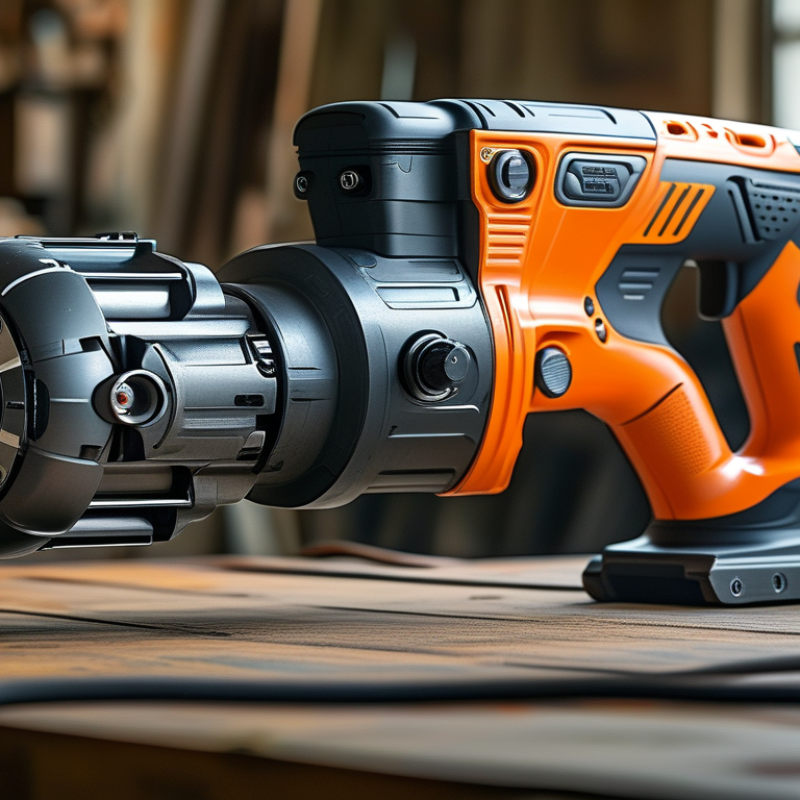
Why Brushless Tools Outperform Brushed Tools in Performance Tips?

Understanding Brushless vs. Brushed Tools: An Overview

When comparing brushless and brushed tools, several key differences emerge. Brushless tools utilize electronic sensors. These sensors optimize speed and torque, providing enhanced performance. Brushed tools, on the other hand, rely on traditional carbon brushes. This design results in greater friction and heat, which can decrease overall efficiency.


In terms of longevity, brushless tools excel. They typically last longer because there are no brushes to wear out. This durability can save users both time and money. However, the initial investment in brushless tools may seem higher. Some users may wonder if the difference in performance justifies this cost.


It’s also important to consider the weight of the tools. Brushless models often weigh less due to the absence of brush components. This makes them easier to handle over extended periods. Yet, some users miss the heavier feel of brushed tools, believing it signifies sturdiness. Balancing performance and comfort is essential in tool selection.

Key Performance Advantages of Brushless Tools

Brushless tools have gained popularity due to their performance advantages. One significant benefit is efficiency. Unlike brushed motors, brushless motors use electronic controls. This leads to less energy loss and faster operation. Users often notice longer run times with brushless models. The absence of brushes reduces friction, which enhances tool longevity and reliability.

Another key performance advantage is torque consistency. Brushless tools deliver power smoothly across various speeds. This feature allows for precise control during tasks like drilling and cutting. Users report fewer stalls and interruptions. Maintenance is also simplified with brushless technology. There are no brushes to replace, which can be a hassle with brushed tools.

While brushless tools excel, they may come with a higher upfront cost. This can lead some users to hesitate before upgrading. However, the long-term savings in battery life and reduced maintenance costs can outweigh this initial investment. It’s essential to weigh these factors based on your needs and frequency of use. Ultimately, many users find the benefits justify the change.

Energy Efficiency: How Brushless Tools Save Power

Brushless tools have revolutionized the way we approach power tools. One key aspect is their energy efficiency. Unlike traditional brushed motors, brushless motors use electronic controllers. This technology allows for better energy conversion, resulting in less wasted power. Users can work longer without needing to recharge, saving both time and battery life.

The design of brushless tools also contributes to their efficiency. They generate less heat, which can be a significant drain on power. While brushing tools wear down and lose efficiency, brushless motors maintain consistent performance. This means they can handle more demanding tasks without overheating. However, users should be cautious in their tool usage. Overworking these tools can still lead to performance issues.

Many professionals notice a tangible difference in battery life. Tasks that once drained a battery can now be accomplished more efficiently. It's essential to choose the right tool for each job. Experimentation is part of the process. Some users may face challenges with the initial learning curve. Embracing the change can lead to better outcomes in the long run.

Longevity and Maintenance: Brushless Tools Last Longer

Brushless tools offer a remarkable advantage in terms of longevity and maintenance compared to their brushed counterparts. The key difference lies in their motor design. Brushless motors feature electronic controllers that regulate power intake. This reduces wear and tear, extending the tool's lifespan significantly. In contrast, brushed tools use physical brushes that wear out over time, necessitating more frequent replacements and repairs.

A brushless tool's construction enhances its durability. The absence of brushes means there's less friction and heat generation. These factors contribute to lower chances of overheating. While brushless tools may have a higher upfront cost, the long-term savings on maintenance can be considerable. However, it's worth noting that these tools can be more sensitive to moisture and other environmental factors. Proper care is essential to maximize their lifespan.

Maintenance for brushless tools is straightforward. Regular cleaning and occasional inspections can prevent buildup of dust and debris. This is crucial, as a clean tool operates efficiently. Yet, some users neglect these simple tasks, leading to unexpected performance issues. Understanding and addressing these nuances is essential for truly benefiting from the longevity of brushless tools.

Applications and Use Cases: Choosing the Right Tool for Your Needs

When choosing between brushless and brushed tools, it's crucial to align your selection with the specific application needs. Brushless tools often excel in heavy-duty tasks. They deliver more power and require less maintenance, reducing downtime. A report from the Power Tool Institute indicates brushless motors can have up to 50% more runtime compared to brushed counterparts. This makes them ideal for extensive outdoor work, construction sites, and professional environments.

Brushed tools still have their place, particularly in light-duty applications or for hobbyists. They tend to be more affordable and easier to replace. However, they generate more heat and have a shorter lifespan. The National Institute for Occupational Safety and Health notes that for tasks requiring precision over prolonged periods, the efficiency and durability of brushless options can provide a notable advantage. Selecting the right tool may hinge on the balance between performance needs and budget considerations. Reflect on your usage patterns and the task demands before making a decision.

FAQS

: What is the main difference between brushless and brushed tools?

: Brushless tools use electronic sensors for speed and torque optimization, while brushed tools rely on traditional carbon brushes.

Do brushless tools last longer than brushed tools?

Yes, brushless tools generally last longer since they lack wear-prone brushes. This can save users time and money.

Are brushless tools heavier than brushed tools?

No, brushless tools are typically lighter. The absence of brushes makes them easier to handle for longer periods.

Why do some users prefer brushed tools?

Some users appreciate the heavier feel of brushed tools, thinking it indicates sturdiness and reliability.

Is the performance difference between brushed and brushless tools worth the cost?

It can be. While brushless tools have a higher upfront cost, their efficiency and longevity can lead to long-term savings.

How do brushless tools enhance performance?

Brushless tools reduce friction and energy loss. This results in longer run times and smoother power delivery across speeds.

What about maintenance for these tools?

Brushless tools require less maintenance since they don’t have brushes to replace, simplifying upkeep compared to brushed tools.

Can users experience stalls with brushless tools?

Rarely. Brushless tools typically provide consistent torque, minimizing stalls during tasks like drilling and cutting.

What should users consider before choosing a tool type?

Users should weigh performance, comfort, cost, and their frequency of use to make the best choice for their needs.

Is it common for users to hesitate before upgrading?

Yes, the higher upfront cost of brushless tools can make users hesitant, even if the benefits are often worth it.

Conclusion

Brushless tools outperform brushed ones due to their advanced design and technology. Understanding the differences between brushless and brushed tools reveals that brushless models offer key performance advantages, including greater energy efficiency. They utilize a design that eliminates friction and heat loss, which in turn saves power and enhances runtime. Additionally, their longer lifespan reduces maintenance efforts and costs, making them a more sustainable choice for users.

The applications and use cases for brushless tools further highlight their superiority. Whether for construction, woodworking, or DIY projects, selecting the right tool can significantly impact performance and efficiency. Ultimately, the question of "Why brushless tools perform better than brushed ones" is answered by their enhanced efficiency, durability, and versatility, making them an ideal option for both professionals and hobbyists alike.

Ethan

Ethan

Ethan is a seasoned marketing professional with a deep expertise in our company's innovative product line. With a passion for sharing knowledge and insights, he takes the lead in regularly updating our corporate blog, where he explores industry trends, product features, and effective marketing......