Choosing China’s best electric cutting tools involves more than comparing cutting speed, motor power, and price. Safety should guide every decision. A reliable tool must offer stable performance, suitable guards, clear instructions, and dependable quality control. Buyers should also examine the manufacturer’s experience, testing procedures, warranty support, and replacement parts. A low price means little if the blade wobbles or the switch fails.
So, what safety rules for using electric cutting tools should every operator understand? This guide introduces practical rules for workshops, construction sites, and home projects. It covers pre-use inspections, protective equipment, correct blade selection, secure workpieces, safe body positioning, and controlled cutting techniques. Operators should check power cords, batteries, guards, handles, and switches before each use. Keep the cutting area bright and free from loose materials. Small details matter.
Safety training must come from the user manual, workplace procedures, and qualified professionals. Never remove a guard to improve access. Disconnect the tool before changing a blade or clearing debris. That step is easy to forget. I have seen rushed preparation create more risk than the cutting task itself. Even experienced users can become careless after repeated work. This article therefore treats safety as a continuous habit, not a one-time instruction. It also explains how reputable Chinese manufacturers can support safer operation through tested designs, accurate specifications, and responsive technical service. A sound tool helps, but careful judgment remains essential.
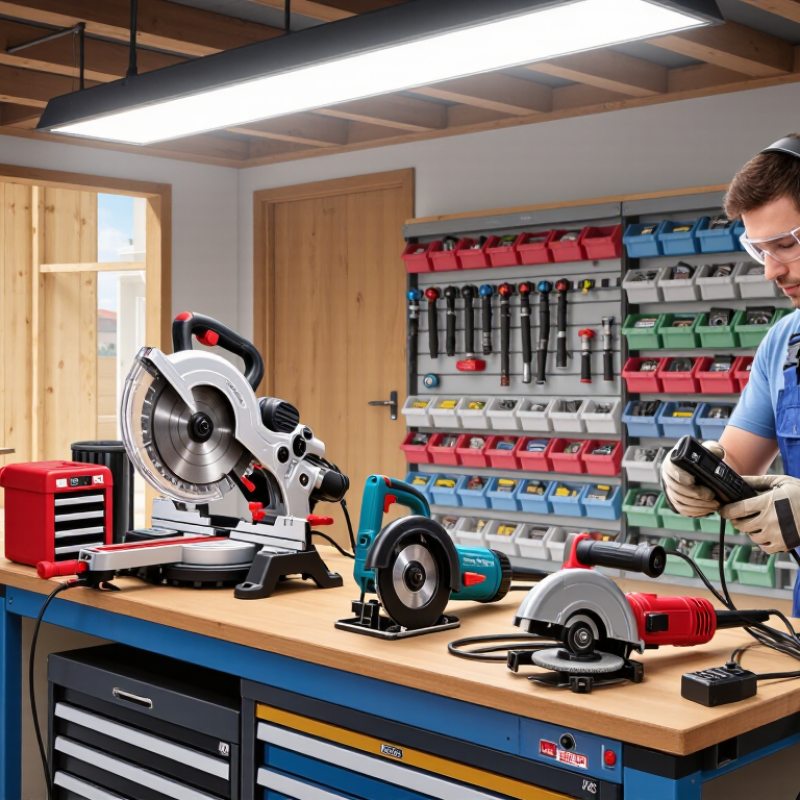
China’s electric cutting tool industry produces a wide range of practical equipment for workshops, construction sites, and home renovation. Angle grinders are common for cutting metal, stone, and masonry. Circular saws handle timber and sheet materials with steady, straight cuts. Jigsaws are better for curves, openings, and thinner boards. Reciprocating saws can cut pipes, branches, and rough building materials in tight spaces.
Rotary tools provide controlled cutting for small projects and detailed work. Electric shears are useful for thin metal sheets, while electric tile cutters use water to reduce dust and cool the blade. Many factories also produce compact wall chasers and portable cut-off saws. Each tool has a different guard, blade, speed, and working limit. Choosing by material matters more than choosing by appearance.
Safety starts with a pre-use inspection. Check the cable, plug, switch, blade, guard, and battery housing. Wear eye protection, hearing protection, non-loose clothing, and suitable work gloves. Secure the material before cutting, and keep both hands away from the blade path. Never remove a guard for convenience. Disconnect power before changing accessories or clearing debris. I once focused too much on cutting speed and noticed the blade heating early. That small warning deserved more attention. Dust extraction, good lighting, and a clean floor also reduce practical risks. Follow the tool manual and local electrical requirements, even when the job seems simple.
| Electric Cutting Tool Type | Typical Materials and Uses | Common Hazards | Recommended Personal Protective Equipment | Essential Safety Rules | Pre-Use Inspection | Risk-Control and Maintenance Practices |
|---|---|---|---|---|---|---|
| Angle Grinder | Cutting and grinding steel, stainless steel, masonry, concrete, and tile with the correct wheel or disc. | Disc breakage, kickback, flying particles, sparks, noise, dust, and contact with the rotating wheel. | Safety glasses plus a face shield, hearing protection, suitable gloves, safety footwear, and respiratory protection when dust requires it. | Fit the correct guard and wheel for the task. Hold the tool with both hands, keep the body out of the wheel plane, allow the wheel to reach full speed, and never force a cutting disc sideways. | Check the guard, side handle, power cord, switch, spindle, flange, and disc for damage, cracks, distortion, or excessive wear. | Use only compatible accessories within the marked speed rating. Replace damaged discs immediately and keep combustible materials away from sparks. |
| Circular Saw | Cross-cutting and ripping timber, plywood, composite boards, and selected plastic materials with a suitable blade. | Severe laceration, kickback, blade contact, falling workpieces, flying chips, and electrical shock. | Safety glasses or goggles, hearing protection, non-slip safety footwear, and respiratory protection for fine wood or composite dust. | Keep the lower blade guard functional, support the work securely, keep both hands away from the blade path, and never reach under the workpiece while the blade is moving. | Test the blade guard and switch. Check blade sharpness, tooth damage, arbor tightness, base plate alignment, cable, and battery condition if cordless. | Use the proper blade depth, normally only slightly deeper than the material thickness. Keep the cut line free from nails, screws, and hidden metal. |
| Reciprocating Saw | Demolition and cutting of wood, plastic pipe, metal tube, sheet material, and construction components using task-specific blades. | Blade contact, blade breakage, kickback, hidden utilities, vibration, and contact with hot or sharp cut edges. | Safety glasses or goggles, hearing protection, gloves suitable for the material, safety footwear, and respiratory protection where dust is generated. | Identify concealed electrical cables, gas lines, and pipes before cutting. Keep the shoe firmly against the work and stop the tool before withdrawing a jammed blade. | Inspect the blade clamp, shoe, blade, switch, housing, cord, and battery. Confirm that the blade is suitable for the material and firmly locked. | Clamp or support the workpiece. Use the lowest effective speed for the material and replace bent, cracked, or blunt blades. |
| Jigsaw | Curved and straight cuts in timber, laminate, plastic, thin metal, and other sheet materials. | Blade contact, broken blades, kickback, splinters, flying particles, dust, and accidental cutting of concealed services. | Safety glasses or goggles, hearing protection when required, suitable gloves for handling materials, and respiratory protection for dusty work. | Secure the material, keep the base plate flat, start the blade clear of the work when appropriate, and do not lift or turn the tool while the blade is moving. | Check the blade clamp, base plate, switch lock, blade condition, cord, and battery. Ensure the selected blade matches the material and thickness. | Use a guide for long straight cuts. Keep hands away from the underside of the material and allow the blade to stop before setting the tool down. |
| Rotary Tool | Light cutting, trimming, engraving, deburring, and slotting of wood, plastic, thin metal, and similar materials. | Small accessory breakage, flying fragments, entanglement, dust, burns from hot workpieces, and loss of control. | Safety glasses or a face shield, hearing protection for extended use, task-appropriate gloves, and respiratory protection for fine dust. | Use accessories at or below their rated speed. Secure small workpieces, keep the collet tightened, and never use a damaged or improperly mounted accessory. | Inspect the collet, accessory shank, guard or shield, ventilation openings, switch, cable, and battery. Check for excessive vibration before cutting. | Use light pressure and allow the accessory to cut at its intended speed. Clean ventilation openings and replace worn collets or accessories. |
| Cut-Off Saw | Fast, straight cutting of metal bar, pipe, channel, angle, and other stock with an abrasive or carbide-tipped blade. | Wheel rupture, kickback, sparks, hot fragments, crushing at the vise, noise, and sharp metal edges. | Safety glasses plus a face shield, hearing protection, heat-resistant or task-suitable gloves, safety footwear, and protective clothing. | Clamp the work firmly in the vise. Keep the wheel aligned with the cut, lower it gradually, and never use the side of an abrasive cut-off wheel for grinding. | Inspect the wheel, guard, vise, fence, trigger, power cord, and spindle. Confirm the wheel diameter and maximum speed match the tool. | Operate in a designated spark-safe area. Remove flammable materials, allow hot pieces to cool, and deburr or protect sharp edges after cutting. |
| Tile and Masonry Saw | Wet or dry cutting of ceramic tile, porcelain tile, stone, brick, and selected masonry products. | Silica-containing dust, electric shock in wet environments, blade contact, flying fragments, noise, and wet-floor slips. | Safety glasses or face shield, hearing protection, waterproof non-slip footwear for wet cutting, and a suitable respirator for dust-producing operations. | Use water delivery only as designed, keep electrical connections dry and protected, and never bypass guards. Avoid dry cutting materials that can generate hazardous respirable silica dust. | Check the blade, guard, water pump or supply, tray, ground-fault protection, cable, switch, and table alignment. Look for damaged insulation or leaks. | Use dust control and ventilation. Clean slurry safely, prevent standing water near electrical parts, and follow the blade manufacturer’s material limits. |
| Pipe Cutter and Power Tubing Cutter | Cutting copper, aluminum, plastic, stainless steel, and other pipe or tubing with compatible cutting wheels or blades. | Pinching, rotating workpiece entanglement, sharp burrs, flying chips, crushing, and contact with energized or pressurized lines. | Safety glasses, cut-resistant gloves for handling finished pieces, safety footwear, and hearing protection where noise levels require it. | Isolate, depressurize, and drain any pipe before cutting. Secure the pipe, keep hands away from rotating parts, and do not hold short pieces close to the cutter. | Inspect the cutting wheel, clamping mechanism, guide rollers, guard, switch, power supply, and pipe support. Confirm the cutter is rated for the pipe material and diameter. | Remove burrs with a suitable deburring tool. Keep rotating components clean and replace cutting wheels that are chipped, worn, or out of round. |
| Oscillating Multi-Tool | Flush cutting, plunge cutting, grout removal, scraping, and trimming of wood, plastic, drywall, and some metals. | Blade contact, sharp accessory edges, dust, vibration, hot surfaces, and hidden electrical or plumbing services. | Safety glasses or goggles, hearing protection for prolonged operation, gloves for material handling, and respiratory protection when dust control is insufficient. | Choose the correct accessory and angle. Check for hidden services before plunge cuts, maintain a firm grip, and wait for the accessory to stop before changing it. | Check the accessory clamp, blade or scraper, switch, housing, cord, battery, and ventilation openings. Make sure the accessory is fully secured. | Use controlled pressure and avoid twisting the accessory. Clean dust from vents and replace accessories when teeth are missing or edges are deformed. |
| Band Saw | Continuous cutting of wood, metal, plastic, and other stock on stationary or portable equipment. | Contact with the moving blade, blade breakage, entanglement, pinch points, kickback, and inadequate workpiece support. | Safety glasses or goggles, hearing protection where necessary, safety footwear, and close-fitting work clothing. Avoid loose gloves near moving blades. | Keep blade guards and guides correctly adjusted. Feed material steadily, keep hands outside the danger zone, and use a push device for small pieces. | Inspect blade tension, tracking, teeth, guards, table, guides, switch, cable, and emergency-stop function where fitted. | Disconnect power before blade changes or clearing jams. Keep the table clean, use the correct blade pitch, and maintain adequate workpiece support. |
Safety basis: General practices are consistent with widely used occupational safety guidance for portable power tools, machine guarding, electrical protection, noise exposure, and respirable dust control. Always follow the applicable local regulations and the specific tool manufacturer’s instructions.
Look for a stable guard, clear trigger lock, electric brake, and overload protection. Small defects matter.
Compare the blade rating with the tool’s speed and cutting material. Never guess from appearance.
Check the cord, plug, guard, trigger, blade, and ventilation openings. Stop if anything looks cracked, loose, or worn.
Wear impact-rated safety glasses with side shields. Add a face shield for sparks, fragments, or abrasive dust. Protect your hearing when noise is high.
Not always. Loose gloves can catch rotating parts. Use cut-resistant gloves mainly for handling materials, when the task assessment allows them.
Clamp it firmly before starting. Keep both hands outside the cutting path. Test the trigger without contacting the blade.
Stop if it pulls sideways, smells hot, vibrates excessively, or sparks unexpectedly. Do not continue because it still sounds normal.
Unplug it before cleaning or changing parts. Wipe the housing with a dry cloth. Store it in a dry, locked cabinet.
Keep batteries cool and away from metal objects. Cover blades, and coil cords loosely without sharp bends.
Release the trigger and disconnect power, if safe. Never touch a moving blade or pull trapped material by hand. Call local emergency services for serious injuries.
Electric cutting tools made in China include angle grinders, circular saws, jigsaws, reciprocating saws, tile cutters, and metal-cutting machines. Choosing a safe and reliable tool requires checking its construction, power rating, blade compatibility, guards, switches, insulation, and user instructions. Operators should also wear suitable personal protective equipment, such as safety glasses or a face shield, hearing protection, dust masks when needed, gloves suited to the task, sturdy footwear, and close-fitting work clothing.
What safety rules for using electric cutting tools should every operator follow? Inspect the tool, cable, plug, blade, and guard before use, and keep the work area clean, dry, and well lit. Secure the material, maintain a stable stance, keep hands away from the cutting path, and never force the tool or remove its safety guard. Disconnect power before changing blades, clearing jams, or performing maintenance. After use, clean and store the tool in a dry, protected place. In an emergency, switch off and disconnect power if safe, provide first aid, and seek professional assistance.

