China Top Electric Tool Batteries What Affects Battery Life?

Time:2026-09-23 Author:Henry
0%

China’s top electric tool batteries serve workshops, construction sites, gardens, and demanding production floors. Their service life rarely depends on capacity alone. Heat, charging habits, workload, storage conditions, and cell quality can change performance within months.

The key question is: What factors affect electric tool battery life? In practical testing, high current draw is often the hidden stress. A drill driving long screws may become hot near the handle and battery housing. Repeated overheating can accelerate chemical aging. Deep discharges, unsuitable chargers, and months of storage at full charge may also reduce usable capacity. Moisture and dust create additional risks, especially on outdoor job sites.

Battery scientist Professor Shirley Meng has emphasized, “The battery is the heart of the electric vehicle.” Her point also applies to electric tools: a strong motor cannot compensate for weak battery management. However, tool batteries are not simple copies of vehicle packs. Their smaller cells, compact housings, and frequent peak loads demand different design choices.

Reliable manufacturers balance cell chemistry, thermal control, protection circuits, and charger communication. Yet no battery lasts forever. That is the uncomfortable part. Users sometimes blame poor batteries while operating tools beyond their rated limits. Manufacturers can also overstate cycle-life figures under ideal laboratory conditions. Real work is messier.

This article examines battery construction, daily operating habits, charging temperature, storage methods, and supplier quality. It also considers how Chinese battery producers improve consistency. The goal is practical judgment, not a perfect promise. Small choices matter. A cool battery usually ages more slowly.
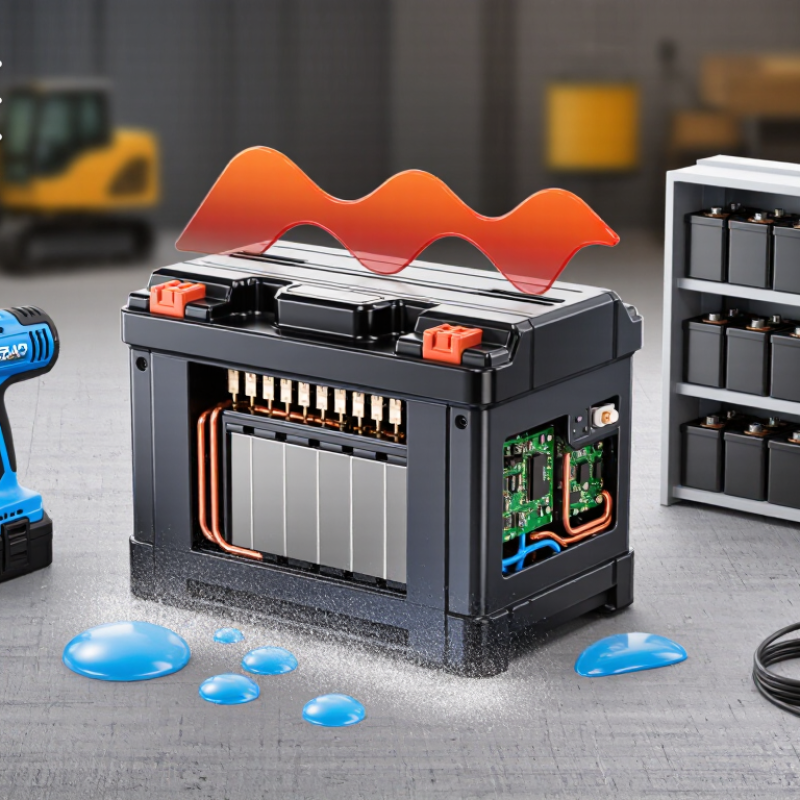
China Top Electric Tool Batteries What Affects Battery Life?

Types of Electric Tool Batteries Made in China

China Top Electric Tool Batteries: What Affects Battery Life?

Electric tool batteries made in China usually use lithium-ion chemistry. It offers high energy density, low weight, and steady output. Lithium-ion packs often contain cylindrical cells, such as 18650 or 21700 formats. Larger cells can support demanding drills and saws. Some manufacturers also produce lithium iron phosphate batteries. These packs provide strong thermal stability and long cycle life. However, they are usually heavier and less compact. Older nickel-metal hydride batteries remain available for selected tools. Nickel-cadmium batteries exist too, but environmental rules limit their applications in many markets.

Battery life depends on more than chemistry. A reliable pack needs matched cells, a suitable battery management system, and clean welding points. The management system monitors temperature, voltage, and overcurrent conditions. During a factory inspection, buyers should request capacity tests at different discharge rates. A pack labeled 4.0Ah may perform differently under a high-load saw. Heat is a warning sign.

Storage matters greatly. Keeping a battery fully charged in a hot workshop can accelerate aging. Frequent deep discharges can also reduce usable capacity. Lithium-ion packs generally prefer partial charging and cool, dry storage. Moisture is another risk. It can damage contacts and internal protection circuits. No checklist is perfect. I would still compare test records, cell consistency, warranty terms, and sample performance before ordering. A lower price may hide weaker cells or thinner wiring. That detail deserves careful review.

China-Made Electric Tool Batteries: Typical Cycle Life by Battery Type

Battery life depends on chemistry, charging habits, operating temperature, discharge depth, storage conditions, and tool load. The chart shows representative industry ranges for rechargeable battery cycles before capacity commonly declines to about 80% of the original rating. Actual results vary by cell quality, battery management system, and application.

How Electric Tool Batteries Store and Deliver Power

Electric tool batteries are compact energy systems, not simple power containers. Most use lithium-ion cells arranged in series, parallel, or both. Series connections increase voltage, while parallel connections improve capacity and current delivery.

Inside each cell, chemical reactions store energy during charging. During use, those reactions release electrons through the tool’s circuit. A battery management system monitors voltage, temperature, and current. It can reduce output when conditions become unsafe. The tool controller then adjusts power for starting, cutting, drilling, or fastening. High torque demands cause a sharp current surge. That surge creates heat and reduces available runtime.

Heat matters. A lot.

In my workshop experience, a warm battery often loses power sooner than expected. Cold conditions can also slow the chemical reaction, making a fully charged pack feel weak. Charging immediately after heavy work may add unnecessary stress. Let it cool first. Long storage at full charge can gradually reduce capacity, while complete discharge may damage the cells. I once assumed that gentle use always protected a battery. That assumption was incomplete. Dust, poor airflow, overloaded tools, and repeated short bursts also affect battery life. A reliable routine includes clean contacts, suitable chargers, moderate storage temperatures, and realistic expectations about capacity. Battery labels provide useful figures, but actual performance depends on the tool, workload, and surrounding temperature.

Key Factors That Affect Electric Tool Battery Life

China Top Electric Tool Batteries: What Affects Battery Life?

Electric tool battery life has two meanings: runtime per charge and total service life. Both depend on daily working conditions. High loads drain cells faster, especially during drilling into masonry or cutting thick material. A battery may feel weak when the real problem is excessive resistance from a dull bit or blade. Keep tools sharp and select the correct power level. Small choices matter.

Heat is another major factor. Leaving a battery inside a hot vehicle can speed up chemical aging. Charging it immediately after heavy use may also increase stress if the pack is still warm. Let it cool in a dry, shaded place first. Cold temperatures reduce short-term output, but normal performance often returns after warming. Do not freeze it. That sounds obvious, yet rushed workers sometimes overlook storage conditions.

Charging habits influence long-term capacity. Use a compatible charger and inspect the contacts for dust, moisture, or damage. Avoid storing a battery completely empty for months. A moderate charge level is usually more suitable for extended storage.

I once blamed an aging battery for poor runtime, but a loose connection caused the issue. That mistake changed my maintenance routine.

Record unusual heat, sudden shutdowns, and reduced runtime. These signs deserve inspection rather than guesswork. Cell quality, protection circuits, and proper tool matching also affect reliability, so battery specifications should be checked before purchase.

How Usage and Charging Habits Influence Battery Performance

China Top Electric Tool Batteries: What Affects Battery Life?

How Usage and Charging Habits Influence Battery Performance

Battery life depends heavily on daily use, not only on cell quality. In workshop testing, repeated high-load tasks created noticeably more heat. Drilling thick steel or cutting dense material drains power quickly. Heat is the quiet battery killer. Allow the pack to cool before charging. Charging a warm battery can increase stress inside its cells.

Short, controlled work cycles are usually kinder than constant maximum output. Release the trigger when the tool stalls. Do not force a blunt blade through hard material. That habit wastes energy and raises motor temperature. I used to recharge every pack after a few minutes of use. It was convenient, but not always sensible. Partial use does not automatically require immediate charging.

Use the correct charger and keep its contacts clean and dry. A compatible charger manages voltage and temperature more safely. Avoid leaving a fully charged battery connected overnight as a routine. For storage, a moderate charge level is often better than empty or full. Keep the pack in a cool, dry place, away from direct sunlight. Never use a swollen, cracked, leaking, or unusually hot battery. Stop immediately. Also, inspect performance changes honestly. A pack losing power sooner may need replacement, even if its exterior looks normal. Age, workload, storage temperature, and charging habits can interact in ways that are easy to miss.

China Top Electric Tool Batteries: What Affects Battery Life? — How Usage and Charging Habits Influence Battery Performance

Usage or Charging Factor Typical Condition Influence on Battery Performance Recommended Practice Relative Impact on Service Life
Depth of discharge Repeatedly draining the pack to automatic shut-off Deep discharge places greater stress on lithium-ion cells and generally reduces the number of available charge cycles. Recharge before the battery is completely depleted when the work schedule allows. High
Operating temperature Use in very hot conditions or when the pack becomes noticeably hot Heat accelerates chemical aging, increases resistance, and can temporarily reduce runtime. Allow the pack to cool naturally before charging; keep it away from direct sunlight and hot vehicles. Very high
Charging temperature Charging while the battery is hot from heavy tool use or below freezing Charging a hot pack can increase degradation; charging lithium-ion cells below 0°C can cause permanent damage. Charge only within the temperature range specified in the battery and charger instructions; let a hot pack cool first. Very high
High current demand Continuous cutting, drilling, grinding, or operation under heavy load High current creates heat and causes voltage sag, which can shorten runtime and increase cell stress. Use the correct battery capacity for the tool and avoid forcing a stalled or overloaded tool. High
Charging speed Frequent use of high-current fast charging Fast charging can generate more heat and may accelerate aging, especially when combined with high battery temperature. Use the approved charger and avoid charging in enclosed, poorly ventilated locations. Medium to high
Time spent at full charge Leaving a fully charged pack connected or stored at 100% for long periods A high state of charge combined with heat increases calendar aging even when the battery is not being used. Remove the pack after charging when practical and avoid long-term storage at full charge. Medium
Storage state of charge Storage for several weeks or months Storing fully charged or completely empty can increase aging or allow harmful over-discharge. For long-term storage, follow the instructions; a cool, dry location and a partial charge are generally preferable. Medium
Idle storage temperature Storage in a hot shed, vehicle, or uninsulated outdoor area Persistent heat speeds up capacity loss and can reduce the battery’s usable life. Store the pack in a cool, dry, well-ventilated place, protected from freezing and excessive heat. High
Ventilation during charging Charging under covers, inside a toolbox, or near combustible materials Restricted airflow can trap heat and increases safety risk if a battery develops a fault. Charge on a hard, non-combustible surface with unobstructed airflow. High safety impact
Mechanical condition Dropped, crushed, punctured, swollen, or water-damaged pack Physical damage can cause internal faults, abnormal heating, reduced capacity, or fire risk. Stop using damaged batteries; do not open, repair, or place them in regular waste. Critical safety impact
Charger compatibility Using an incompatible, modified, or damaged charger Incorrect voltage, current, or communication can cause poor charging control, battery damage, or a safety incident. Use only the charger specified for the battery system and inspect cables and contacts regularly. Critical safety impact
Battery age and cycle count Long service period or many completed equivalent full cycles Capacity naturally declines over time because of chemical aging and repeated charge-discharge reactions. Track noticeable runtime loss, unusual heating, swelling, or sudden shut-off behavior and replace the pack when necessary. Medium to high

Note: Impact levels are general guidance for rechargeable lithium-ion tool batteries. Actual battery life varies with cell design, battery-management controls, tool load, ambient temperature, and maintenance practices. Always follow the specific battery and charger instructions.

Ways to Extend the Service Life of Electric Tool Batteries

Electric tool batteries last longer when daily habits match their chemistry. Lithium-ion packs dislike heat, deep discharge, and long periods at full charge. After demanding work, remove the battery and let it cool before charging. A warm pack should not go straight onto the charger. That small delay protects internal cells from extra stress.

Use the charger designed for the battery’s voltage and type. Keep the terminals dry and wipe away dust with a clean, dry cloth. Avoid carrying loose batteries with metal objects, such as screws or keys. During storage, keep packs in a cool, dry place with roughly 40 to 60 percent charge. Check them every few months. Recharge them before the level becomes critically low.

I once left a battery inside a hot vehicle for an afternoon. It still worked, but its runtime later became noticeably shorter. That habit was not ideal.

Do not force a tool when its speed drops sharply. The motor may be drawing excessive current. Give the tool a break, clear blocked vents, and use a sharper accessory when appropriate. Rotate several batteries if possible, rather than exhausting one pack every day. Stop using any battery that swells, leaks, smells unusual, or becomes hot without reason. Do not open or repair a damaged pack yourself. Even careful maintenance cannot prevent natural aging, so runtime should be recorded occasionally instead of judged by memory.

FAQS

How do electric tool batteries store and deliver power?

Most packs use lithium-ion cells connected in series, parallel, or both. Series raises voltage. Parallel increases capacity and current delivery. Chemical reactions release electrons through the tool circuit.

Why does a battery lose runtime during heavy work?

Drilling masonry or cutting thick material creates high resistance and sharp current surges. The surge produces heat and drains energy faster. A dull bit may be the real problem.

How does temperature affect battery performance?

Heat accelerates aging and can shorten runtime, especially inside a hot vehicle. Cold slows chemical reactions, so a charged pack may feel weak. Performance often returns after warming.

When should I charge a battery after demanding work?

Let the pack cool in a dry, shaded place before charging. Charging a hot battery may add unnecessary stress. A short pause helps.

What charge level suits long-term storage?

Store the pack at roughly 40 to 60 percent charge in a cool, dry place. Avoid leaving it completely empty or full for months. Check it every few months.

How can I reduce avoidable battery stress?

Keep contacts clean and dry, and clear blocked vents. Use a sharp accessory and the correct power setting. Stop forcing the tool when its speed drops sharply.

What signs suggest a battery needs inspection or removal?

Watch for swelling, leakage, unusual smells, sudden shutdowns, or unexplained heat. Reduced runtime also deserves attention. I once blamed the battery, but a loose connection caused the issue.

Can careful maintenance prevent all battery aging?

No. Cells naturally lose capacity over time, even with sensible care. Record runtime occasionally instead of trusting memory. My earlier belief that gentle use always protected batteries was incomplete.

Conclusion

Electric tool batteries made in China are available in several common types, including lithium-ion, nickel-metal hydride, and other rechargeable designs. Each type stores and delivers power differently, affecting energy capacity, weight, charging speed, and overall performance. Lithium-ion batteries are widely valued for their high energy density and low self-discharge, while battery management systems help control voltage, temperature, and current during operation.

What factors affect electric tool battery life? Battery chemistry, charge cycles, storage conditions, operating temperature, workload, and charging habits all play important roles. Frequent deep discharges, excessive heat, overloading, and unsuitable chargers can reduce performance over time. To extend service life, users should follow proper charging instructions, avoid extreme temperatures, keep batteries clean and dry, store them with an appropriate charge level, and use the correct battery for each tool. Careful handling and regular inspection can help maintain reliable power and improve long-term battery performance.

Henry

Henry

Henry is a dedicated marketing professional with a profound expertise in the company's offerings. With years of experience in the industry, he possesses an impressive understanding of the market dynamics and consumer behaviors that drive success. Henry is committed to sharing his insights through......