How to choose the right batteries for cordless tools?

Time:2026-05-31 Author:Sienna
0%

Choosing the right batteries for cordless tools can be daunting. With various types, brands, and specifications available, it's essential to make an informed decision. Understanding power needs and battery compatibility is crucial. For instance, lithium-ion batteries are lightweight and efficient but may come at a higher cost.

Ask yourself what tasks you'll perform. Will you require high-drain power, or is a standard battery sufficient? Battery capacity is measured in amp-hours (Ah). More Ah usually means longer runtime, but think about how weight impacts handling. Many users overlook this aspect, leading to fatigue during use.

When learning how to choose batteries for cordless tools, consider the environment too. Extreme temperatures can affect battery life. So, always check manufacturer guidelines. Inadequate research can lead to poor performance or even damage to your tools. Take the time to reflect on these factors before making a purchase. Your choice impacts not just performance but also your overall satisfaction with the tool's functionality.
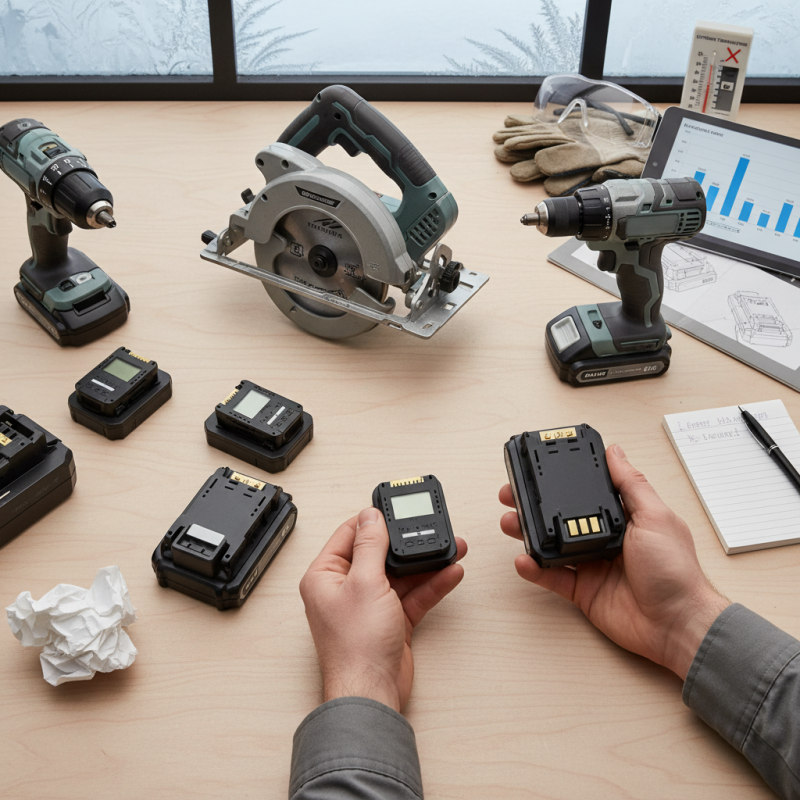
How to choose the right batteries for cordless tools?

Understanding Different Types of Batteries for Cordless Tools

Choosing the right batteries for cordless tools can be challenging. There are multiple types of batteries available, each with specific features. Lithium-ion batteries are popular due to their high energy density and lightweight. They charge quickly and have longer lifespans. However, they can be sensitive to extreme temperatures and require careful handling.

Nickel-cadmium (NiCd) batteries are another option. They are sturdy and perform well even under heavy loads. Yet, they suffer from a "memory effect," which can reduce their overall capacity if not used correctly. Understanding these characteristics is essential when selecting batteries for your tools.

Lead-acid batteries are heavier and usually found in larger equipment. They are cost-effective but lack the efficiency of lithium-ion models. It's important to assess your specific needs. Consider how often you use the tools and the duration of operation. Making the right choice can enhance performance and save money over time.

How to choose the right batteries for cordless tools?

Battery Type Voltage (V) Capacity (Ah) Weight (kg) Usage
NiCd 12 1.2 0.6 Tools requiring high discharge rates
NiMH 14.4 2.0 1.0 Cordless tools with moderate usage
Li-ion 18 5.0 1.5 High-performance power tools
Li-Po 22.2 4.0 1.2 Specialty tools and drones

Evaluating Voltage and Capacity Requirements for Cordless Tools

When selecting batteries for cordless tools, evaluating voltage and capacity is crucial. Voltage affects the power output of your tools. Higher voltage means more power, which can significantly impact performance. For example, a 18V battery typically provides sufficient energy for most heavy-duty tasks, while a 12V battery may suffice for lighter work like drilling in soft materials.

Capacity is measured in amp-hours (Ah) and determines how long your tool will run before needing a charge. A higher Ah rating indicates a longer working time. However, larger capacities often lead to bulkier batteries, which may not fit comfortably in all tools. It’s essential to balance between power needs and tool weight. For instance, choosing a battery with high voltage and capacity may enhance tool performance but could also make it unwieldy during extended use.

It's important to consider your specific tasks and frequency of use. Frequent users might prioritize longer-lasting batteries. However, casual users may find value in lighter batteries, despite shorter runtimes. Reflecting on your own usage habits can guide you to the best choice. The right balance can enhance your work efficiency, making it worth the effort to evaluate your options deeply.

Considering Battery Chemistry: Lithium-Ion vs. Nickel-Cadmium

When choosing batteries for cordless tools, the chemistry of the battery plays a critical role. Lithium-ion and nickel-cadmium batteries are the two most common types. Each has its strengths and weaknesses, which can impact tool performance and user experience.

Lithium-ion batteries are known for their lightweight design and higher energy density. They charge faster and have a longer lifespan compared to nickel-cadmium options. Users often appreciate their lower self-discharge rates, meaning they hold a charge longer when not in use. However, lithium-ion batteries can be sensitive to extreme temperatures, which might affect their efficiency.

On the other hand, nickel-cadmium batteries are robust and perform well in harsh conditions. They can deliver consistent power, making them reliable for heavier tasks. Yet, they suffer from memory effect, which can reduce their capacity over time if not fully discharged before recharging. This can be frustrating for users who want to optimize battery life. In many cases, it is essential to weigh these pros and cons, depending on the specific application of the cordless tool.

Assessing Compatibility with Existing Cordless Tool Models

When choosing batteries for cordless tools, compatibility is crucial. Each tool model requires specific battery types. Using the wrong battery can lead to poor performance or even damage your tools. Check the voltage ratings of both the tool and the battery. Mismatched voltages can cause malfunction, risking both safety and functionality.

Consider the battery's dimensions and connection type. Many cordless tools have unique battery designs that fit only with certain models. A battery that seems perfect might not fit your tool physically. It’s important to consult your tool's manual for compatibility details. This can prevent unnecessary purchases and potential frustration.

Don’t overlook the battery's capacity, usually measured in ampere-hours (Ah). Higher capacity batteries offer longer run times but may also increase weight. Balance is key. An overly heavy battery may affect tool handling. Remember, testing different options can be beneficial. Sometimes, what seems perfect on paper doesn’t perform well in real-world applications. Embrace the trial-and-error process to find the best fit for your cordless tools.

Analyzing Performance and Lifespan of Rechargeable Batteries

When selecting batteries for cordless tools, analyzing performance and lifespan is crucial. Rechargeable batteries, particularly lithium-ion varieties, dominate the market. According to a report from the Consumer Electronics Association, lithium-ion batteries provide up to 80% more energy density than traditional nickel-cadmium batteries. This translates to longer run times and reduced weight, enhancing tool performance significantly.

However, performance can vary significantly based on the battery's capacity and discharge rates. A battery with a higher amp-hour rating typically lasts longer under continuous load. Research shows that batteries with a rating of 4Ah or higher can support extended work sessions. It's essential to match the battery capacity with your tool's requirements. Using an underpowered battery can lead to inefficient functioning and premature wear of the tool.

Tips: Always check the voltage compatibility before purchasing a battery for your cordless tools. Consider investing in a premium battery management system to optimize performance and longevity. Remember, the right battery can significantly enhance your workflow efficiency. Be cautious of cheaper alternatives, as they might not hold a charge effectively, leading to frustration during use.

FAQS

: What are the main types of batteries for cordless tools?

: Lithium-ion and nickel-cadmium are the most common types. Each has its pros and cons.

What are the advantages of lithium-ion batteries?

They are lightweight, have higher energy density, charge quickly, and last longer than nickel-cadmium batteries.

What are the drawbacks of lithium-ion batteries?

They can be sensitive to extreme temperatures, which may affect efficiency.

Why are nickel-cadmium batteries considered reliable?

They perform well in harsh conditions and provide consistent power for heavy tasks.

What issue can arise with nickel-cadmium batteries?

They suffer from memory effect, reducing capacity if not fully discharged before recharging.

How important is battery compatibility with cordless tool models?

Very important. Mismatched batteries can lead to poor performance or damage to your tools.

What factors should I check for battery compatibility?

Verify the voltage ratings, dimensions, and connection types. Consult the tool's manual for details.

How does battery capacity impact cordless tool performance?

Higher capacity batteries offer longer run times, but they can also be heavier, affecting handling.

What should I do if I’m unsure about battery performance?

Testing different options can help. Sometimes, what looks good on paper doesn’t work well in practice.

Why might it be beneficial to embrace trial-and-error in battery selection?

Each tool operates differently. Finding the right battery may require experimentation for the best results.

Conclusion

When considering how to choose batteries for cordless tools, it's essential to understand the different types of batteries available, including their voltage and capacity requirements. Evaluation of these factors ensures that the battery can power the tool effectively. Additionally, the choice between battery chemistries, such as Lithium-Ion and Nickel-Cadmium, impacts not only the performance but also the longevity of the battery.

Compatibility with existing cordless tool models is another critical aspect to consider; using the right battery ensures optimal functionality. Lastly, analyzing the performance and lifespan of rechargeable batteries can guide users in making informed decisions that align with their needs, thereby maximizing the efficiency and reliability of their cordless tools.

Sienna

Sienna

Sienna is a skilled marketing professional with a deep expertise in our company’s core products and services. With a passion for innovation and detail, she plays a pivotal role in crafting insightful blog posts that not only highlight the unique features of our offerings but also provide valuable......