Battery-powered tools have revolutionized the way we approach various tasks, from home improvement to professional construction. However, users often wonder, “What factors affect electric tool battery life?” Understanding these factors is crucial for optimizing performance and enhancing user experience.
The type of battery is a significant factor. Lithium-ion batteries, commonly used in modern tools, provide longer runtime than nickel-cadmium. Additionally, how you maintain the battery impacts its longevity. Proper charging habits can prevent premature wear. Temperature also plays a role; extreme heat or cold can diminish battery effectiveness.
Moreover, usage patterns matter. Heavy applications drain batteries faster. Users should be aware of their tool's power demands. Not all tasks require maximum power. Sometimes, choosing the right speed and setting can extend battery life. Reflecting on these details can lead to better efficiency in tool use. Regular maintenance and mindful usage can greatly enhance battery performance.
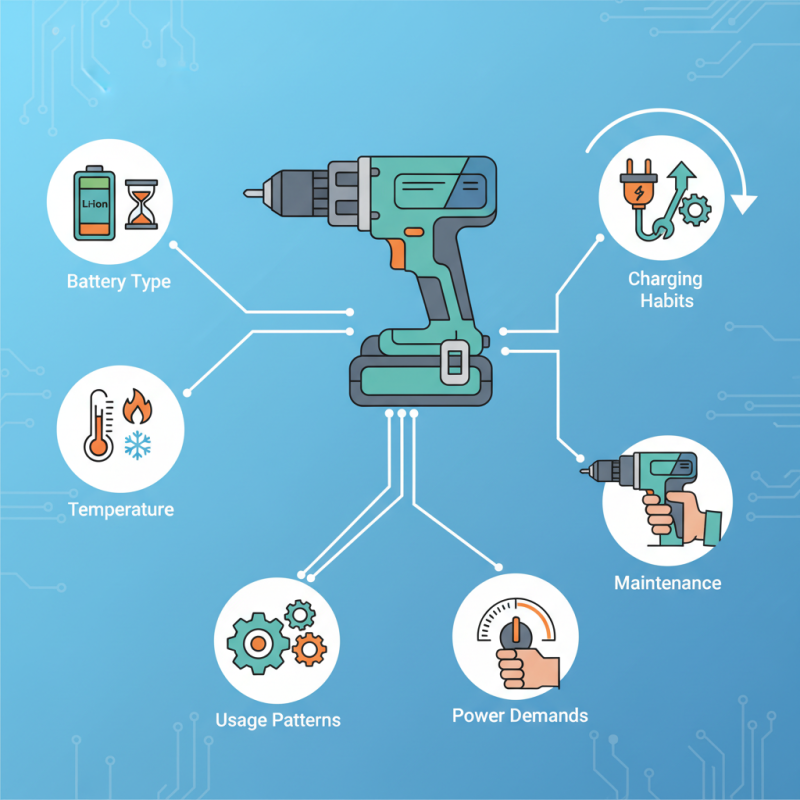
Battery life is a key aspect of electric tools, influencing performance and user satisfaction. Various factors can affect this crucial component. Temperature plays a significant role. Extreme cold can reduce battery capacity by up to 50%. High temperatures can also lead to faster degradation. This temperature sensitivity impacts not just performance but overall longevity.
Another important influence is the tool's usage patterns. Tools used continuously in demanding tasks drain batteries quicker than those used sporadically. Reports indicate that high-power tools typically consume energy three times faster than standard models. Proper charging practices are essential, too. Overcharging can shorten battery lifespan significantly. A study demonstrated that maintaining a battery within a 20%-80% charge range can extend life by 30%.
Materials used in battery construction also matter. Lithium-ion batteries are common for their efficiency. They often provide more cycles compared to older nickel-cadmium batteries. However, even among lithium-ion batteries, differences in chemistry can lead to variance in performance. Users should regularly inspect their batteries for wear and ensure optimal performance. Understanding these factors is crucial for maximizing battery life in electric tools.
| Factor | Description | Impact on Battery Life (%) |
|---|---|---|
| Battery Capacity | Larger capacity batteries can store more energy, leading to longer usage times. | 20% |
| Temperature | Extreme temperatures can reduce battery efficiency and lifespan. | 15% |
| Usage Pattern | Frequent high-load or continuous use can drain batteries faster. | 25% |
| Age of the Battery | Older batteries tend to hold less charge and may perform poorly. | 30% |
| Charging Practices | Infrequent or improper charging can affect battery health. | 10% |
| Tool Design | Efficient designs can reduce power consumption during use. | 5% |
: Battery chemistry significantly affects longevity, with lithium-ion offering the best life cycle.
Proper management prevents overheating and extends performance, maintaining tool effectiveness.
Heavy workloads drain batteries faster and cause overheating, reducing lifespan.
Alternating between light and heavy tasks helps prevent overheating and extends battery life.
Regularly clean battery contacts and store them in a cool, dry place to prevent damage.
Avoid overcharging and fully depleting batteries; aim to charge between 20% to 80%.
Keeping tools updated with firmware can enhance power management and efficiency.
Pay attention to heat levels during use; consider breaks if the tool struggles under heavy loads.
Older tools might not support newer battery technology, possibly affecting performance.
Many overlook load management, which can lead to decreased efficiency and unexpected downtime.
The longevity of battery life in electric tools is influenced by several key factors. Firstly, the type of battery chemistry used can significantly affect performance; lithium-ion batteries, for example, often provide better longevity compared to nickel-cadmium options. Additionally, the way tools are used plays a critical role; heavy workloads can lead to quicker depletion of battery power, while moderate use tends to promote longer lifespans.
Temperature also has a profound impact on battery performance and durability. Extreme heat or cold can degrade battery efficiency and lead to premature failure. Lastly, proper maintenance practices, such as regular charging and storage in optimal conditions, are essential for extending the overall lifespan of electric tool batteries. Understanding these factors helps users address the question: "What factors affect electric tool battery life?" and make informed decisions to maximize their tools’ efficiency.

