Choosing the right power tools is crucial for professional work. It impacts quality, efficiency, and safety. Many professionals ask, "How to choose power tools for professional work?" This guide aims to provide insights that simplify this process.
First, consider the specific tasks you will tackle. Are you focusing on woodworking, metalworking, or general construction? Each field demands unique tools. Research brands renowned for their durability and performance, like DeWalt and Makita. Online reviews can also provide real-world feedback on tool reliability.
Pay attention to power sources too. Corded tools generally provide more power, whereas cordless tools offer greater flexibility. Evaluating your work environment is essential. Sometimes, a high-quality tool may not be suitable for tight spaces. Ultimately, making informed choices requires careful consideration and reflection on your needs. This way, you can avoid potential regrets later on.
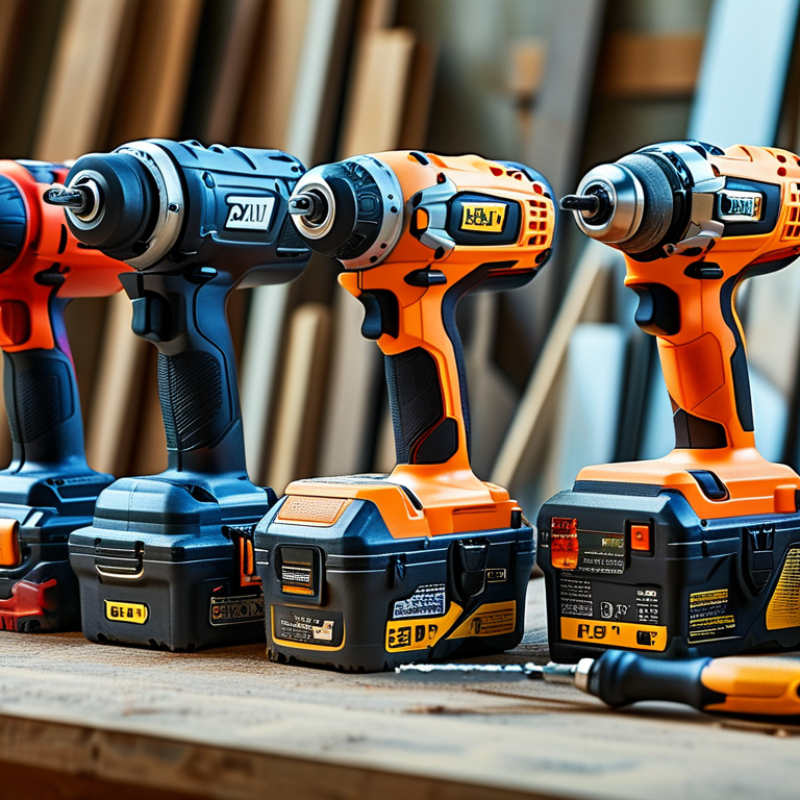
When selecting power tools for professional tasks, understanding your specific needs is essential. A recent industry report highlighted that 72% of professionals prefer tools tailored to their job requirements. This statistic emphasizes the importance of assessing not just the tool itself but also its intended use.
Evaluate the tasks you'll perform regularly. Will you be cutting, drilling, or grinding? Each job may demand unique features like precision or durability. For example, a carpenter needs a reliable saw, while an electrician might prioritize lightweight drills for overhead work. Knowing these aspects will guide your choices effectively.
Tips for choosing the right tools: Consider ergonomic designs. They minimize strain and improve efficiency. Look for adjustable settings; they offer flexibility for various tasks. Read the reviews carefully. Often, users share real-world experiences that highlight both advantages and limitations. Don’t overlook the possibility of tool failures during critical projects. Reflect on how this might impact your work and budgets.
Choosing the right power tools is crucial for any professional field. Different tasks require specific tools to ensure efficiency and precision. For instance, carpenters heavily rely on saws and drills. A circular saw is ideal for quick cuts, while a drill is essential for making holes. These tools provide versatility, but they must be used correctly.
In the construction industry, impact wrenches and nail guns are indispensable. Impact wrenches fasten bolts quickly, saving time and effort. Nail guns streamline the process of attaching materials, increasing productivity on-site. However, improper use can lead to accidents. Professionals need proper training to maximize safety and effectiveness.
Engineers often opt for power tools like grinders and sanders for their projects. Grinders smooth surfaces and shape materials, vital for achieving precise specifications. Sanders help finish products nicely. Yet, users can easily underestimate the importance of protective gear. Always ensure to prioritize safety measures, as awareness can prevent injuries. Choosing the right tools and understanding their risks leads to better outcomes.
Choosing power tools for professional work requires careful consideration of key features. These features can significantly impact efficiency and effectiveness in tasks. Always prioritize durability. Tools should withstand frequent use without compromising performance. Look for construction materials that can handle tough conditions. Weight is also a factor; lighter tools reduce fatigue, especially during prolonged use.
Tips: Test tools before purchase. Get a feel for the weight and balance. Ergonomics matter too. A comfortable grip prevents strain and enhances control. Power ratings are crucial. Higher wattage generally means more torque, which translates to better performance in demanding applications.
Another important feature is versatility. Opt for tools that can perform multiple functions. This allows for adaptability in various projects. Examine attachments and compatibility with additional equipment. Maintenance should not be overlooked. Choose tools that are easy to service. Regular maintenance prolongs lifespan and ensures reliability on the job.
When working with power tools, safety should always come first. Start by wearing the appropriate personal protective equipment (PPE). Safety goggles protect your eyes from debris. Ear protection is also vital, especially when using tools that create loud noises. Always ensure your workspace is tidy. A clutter-free environment minimizes the risk of accidents.
Regular maintenance is crucial. Clean tools after each use to prevent buildup. Check for any wear and tear, paying close attention to cords and blades. Regularly lubricate moving parts to keep them functioning smoothly. Neglecting maintenance can lead to malfunction or injury. Additionally, familiarize yourself with each tool’s manual; it contains vital safety guidelines.
Power tools can be intimidating. Many users forget to think about their own abilities. If you're unsure, seek advice or training. Working blindly can result in accidents. Reflect on your experiences; every mishap can teach you something. Prioritize learning from mistakes to cultivate safer work habits.
When selecting power tools for professional use, budgeting plays a critical role. A recent industry report reveals that nearly 70% of professionals prioritize cost-effectiveness. They understand that higher initial investments can sometimes lead to greater long-term savings. Quality tools often last longer, reducing the frequency of replacements. A poorly chosen tool might seem inexpensive, but it can end up costing more due to its inefficiency or lack of durability.
Brand reliability further complicates the decision-making process. Research indicates that 65% of professionals trust established brands because of their proven track records. However, it's essential to recognize newer brands that may offer excellent performance at lower prices. Often, these brands provide innovative solutions that can meet or exceed traditional standards. Yet, without sufficient customer feedback, their reliability remains uncertain. Investing too heavily in buzzworthy brands could lead to regret if their tools fail to meet expectations. Balancing cost, quality, and brand reputation is crucial. It's a continuous learning process where professionals must reflect on their choices.
: Focus on durability, weight, and ergonomics to ensure comfort and performance.
Regular maintenance prevents malfunctions and injuries. Clean tools and lubricate parts frequently.
Always wear safety goggles and ear protection. A tidy workspace is also essential.
Knowing features affects efficiency. Durability and versatility lead to better project outcomes.
Seek training if unsure. Reflect on past experiences to improve safety practices.
A comfortable grip reduces strain. Ergonomics enhance control during use.
Testing helps assess weight and balance, ensuring tools fit your needs.
Ignoring safety can lead to accidents and injuries. Always prioritize safety measures.
Look for wear, tear, or unusual sounds. Always inspect cords and blades.
Choose versatile tools and maintain them regularly for optimal performance.
When considering how to choose power tools for professional work, it is essential to first understand your specific needs based on the tasks you'll be performing. Different fields require various types of power tools, from drills and saws to grinders and nail guns, ensuring you select the right tool for the job is crucial.
Key features such as power, durability, and ergonomics play a significant role in your selection process. Additionally, it is vital to consider safety measures and maintenance tips to prolong the lifespan of your tools. Budgeting effectively and ensuring brand reliability will also guide your decision-making, helping you invest wisely in high-quality power tools that meet both your professional standards and budget constraints.