Cordless power tools have revolutionized the way we approach DIY projects and professional tasks alike. Their convenience and versatility make them essential for both amateurs and seasoned tradespeople. However, their efficiency and longevity depend heavily on proper maintenance. This article delves into how to maintain cordless power tools, ensuring they serve you well over time.
Many users overlook maintenance tasks, thinking it’s unimportant. Regular cleaning, battery care, and inspection can prevent issues and extend tool life. It's crucial to understand that neglecting these aspects can lead to reduced performance and costly repairs down the line. Ignoring the signs of wear and tear may result in tools breaking when you need them most.
Understanding how to maintain cordless power tools not only enhances their functionality but also ensures safety during use. A well-maintained tool operates smoothly, increasing productivity and job satisfaction. Embracing a routine maintenance schedule can foster a deeper connection to your tools and improve your work output. Investing time in care today pays off in reliability tomorrow.
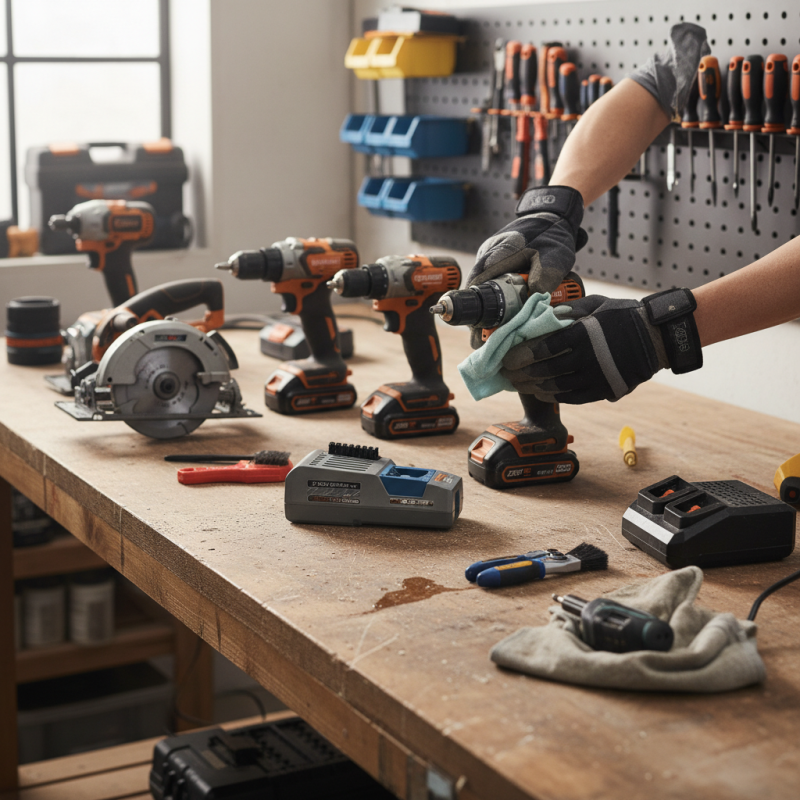
Cleaning and maintaining cordless power tools is crucial for their longevity and efficiency.
Regular care can extend tool life by up to 50%, according to industry data.
Start by wiping down tools with a damp cloth after each use. Build-up of dust and debris can lead to overheating and decreased performance.
Pay special attention to air vents to allow proper airflow.
Battery care is also critical. Manufacturers recommend charging batteries when they drop to around
20%. Overcharging can shorten their lifespan. Discovering corrosion on battery terminals?
Clean it gently with a mixture of baking soda and water. Regular inspections can prevent unexpected breakdowns, which can be costly and inconvenient.
Lubricating moving parts is often overlooked. A few drops of oil on gears can significantly improve efficiency.
However, use the right type to avoid damage. Sometimes, it may be tempting to skip maintenance.
The long-term consequences, like reduced functionality, can be frustrating.
Prioritize a maintenance schedule, and your tools will reward you with reliable performance.
Battery care is crucial for the longevity of cordless power tools. According to a study by the Battery University, lithium-ion batteries lose about 20% of their capacity after 500 charge cycles. Proper charging techniques can significantly extend battery life. Avoid overcharging; disconnect the charger once fully charged. This simple practice can prevent potential swelling and leakage issues.
Temperature plays a vital role in battery health. Operating in extreme temperatures can lead to rapid deterioration. The ideal range is between 20°C and 25°C. Storing batteries at room temperature, away from direct sunlight, is always recommended. Additionally, allowing batteries to rest for a short period after use can improve performance. Tools are often ready to use when storage conditions are ideal.
Regular cleaning of battery terminals can also enhance efficiency. Dirt and corrosion can hinder electrical connections. Use a soft cloth and consider applying a small amount of electrical contact cleaner. While many users rely on quick fixes, it's essential to address these details. Ignoring them can lead to poor tool performance and reduced safety. Strive for a deeper understanding of battery maintenance to ensure optimal performance in the long run.
Cordless power tools are essential for many DIY projects and professional jobs. Understanding how to care for them can extend their life significantly. One key factor is battery maintenance. Regularly charging batteries and avoiding over-discharge helps maintain their health. Lithium-ion batteries, common in cordless tools, need to be stored in a cool place to prevent wear.
Another important aspect is cleaning the tool. Dust and debris can accumulate in moving parts, affecting performance. A simple brush or compressed air can help remove particles. Regular inspection of the tool's components is also vital. Look for any signs of wear, such as cracks or loose screws. While we can sometimes overlook small damages, addressing them early prevents larger issues down the road.
Lubrication is something many users neglect. A little oil on the moving parts can make a significant difference. It reduces friction and minimizes wear and tear. However, over-lubrication can create a mess and attract dirt. It’s essential to find the right balance. Each tool requires specific care; understanding these details can greatly improve efficiency.
Storing cordless power tools properly is crucial for their longevity. Tools can be damaged by humidity, dust, or extreme temperatures. Safe storage solutions can protect them from these harmful environments.
Consider using a designated tool cabinet. This keeps everything organized. It also reduces exposure to dust and moisture. Ensure your storage area has good ventilation. Standing water or excessive moisture can lead to rust.
Tips for protecting your tools include placing silica gel packets in your storage area. They absorb moisture effectively. Additionally, keep tools off direct ground contact. Use shelves or hangers to avoid dampness from the floor. Regularly check and clean the storage area. This prevents buildup and ensures easy access.
Using clear plastic bins can help with visibility. However, don’t overload them. Overcrowded bins can squash your tools, causing damage. Remember to inspect your tools before and after use. Look for signs of wear and tear. Maintaining awareness of their condition is key.
| Maintenance Task | Frequency | Benefits | Safe Storage Solutions |
|---|---|---|---|
| Clean Tools After Use | Every Use | Prevents rust and buildup of debris | Store in a dry, climate-controlled environment |
| Battery Care | Monthly | Extends battery life and performance | Keep batteries at room temperature, avoid extreme conditions |
| Inspect Cords and Connectors | Bi-Weekly | Identifies wear that could lead to accidents | Store tools with cords disconnected |
| Sharpen Blades | As Needed | Improves efficiency and reduces strain on tools | Store blades in protective sheaths |
| Keep Components Lubricated | Monthly | Reduces friction and wear | Store in a tool chest with a moisture-absorbing packet |
Regular inspections of cordless power tools can significantly extend their lifespan. Common signs of wear include frayed cords, loose connections, and degraded battery performance. According to a report by the Power Tool Institute, tools that are regularly maintained last up to 30% longer than those that are ignored. Paying attention to these indicators can help avoid unexpected failures.
Look for physical signs like rust or physical damage. A cracked casing can lead to internal issues. Additionally, if the tool struggles to maintain power, it might be time for a battery replacement. Research shows that about 50% of tool failures stem from battery-related problems. Regularly checking these aspects can prevent costly repairs down the road.
Failing to carry out these inspections can result in inefficiency. Dull blades or worn-out parts don't perform optimally. Your work quality may suffer as a consequence. Remember, neglecting tool maintenance not only affects productivity but also compromises safety. Keeping tools in top shape requires ongoing effort and awareness.
: Regular battery maintenance and proper cleaning are essential to extend their lifespan.
Charge batteries regularly and avoid over-discharging them to maintain their health.
Dust and debris can affect performance, so regular cleaning helps maintain efficiency.
Use a brush or compressed air to remove dust and debris effectively.
Check for cracks and loose screws during regular inspections of your tools.
Proper lubrication reduces friction and wear, but too much can attract dirt.
Store them in a cool, dry place, ideally in a designated tool cabinet.
Use silica gel packets and ensure good ventilation in your storage area.
No, overcrowded bins can cause damage to your tools, so avoid overloading.
Regularly inspect your tools before and after use to catch wear early.
Maintaining cordless power tools is essential for ensuring their longevity and efficiency. Understanding how to maintain cordless power tools begins with implementing best practices for cleaning and regular upkeep. Keeping tools clean not only prevents debris buildup but also enhances performance. Additionally, focusing on optimal battery care—such as employing proper charging techniques and understanding lifespan limitations—can significantly extend the life of your tools.
Moreover, awareness of wear and tear on key components is crucial for effective maintenance. Regular inspections can help identify signs of deterioration, allowing for timely repairs or replacements. Safe storage solutions are also important, as protecting tools from environmental damage can mitigate unnecessary wear. By following these guidelines, you can maximize the functionality and durability of your cordless power tools.
