Why Does a Power Tool Motor Fail and How to Extend Its Life?

Time:2026-10-13 Author:Mason
0%

A power tool motor rarely fails without warning. Its decline often begins with heat, dust, vibration, or repeated overload. Inside the housing, carbon brushes wear against the commutator. Bearings lose lubrication. Cooling vents slowly fill with fine sawdust. The result may be weak torque, burning smells, unusual sparks, or sudden shutdowns.

So, how can users answer the question, “How to extend service life of power tool motor”? Dr. Austin Hughes, author of Electric Motors and Drives, emphasizes, “The life of an electrical machine depends primarily on the temperature of its insulation.” This principle deserves attention. Every overloaded cut raises winding temperature. Repeated overheating hardens insulation and shortens motor life, even when the tool still appears functional.

Practical maintenance starts with small habits. Keep ventilation openings clear after every dusty job. Use compressed air carefully, without forcing debris deeper inside. Let the motor cool during demanding work. Avoid pressing harder when the blade or bit begins to bind. That usually increases current and heat. Inspect brushes, cords, bearings, and switches at sensible intervals. Replace worn parts before they damage surrounding components.

Do not ignore the first strange smell.

However, maintenance is not magic. A poorly designed motor, incorrect voltage, or damaged winding may require professional testing. Users can clean and observe, but insulation faults need proper instruments. My own reflection is simple: many failures seem sudden because early warnings were treated as normal. Careful listening, sensible loading, and regular cleaning create the most realistic path toward longer service life.
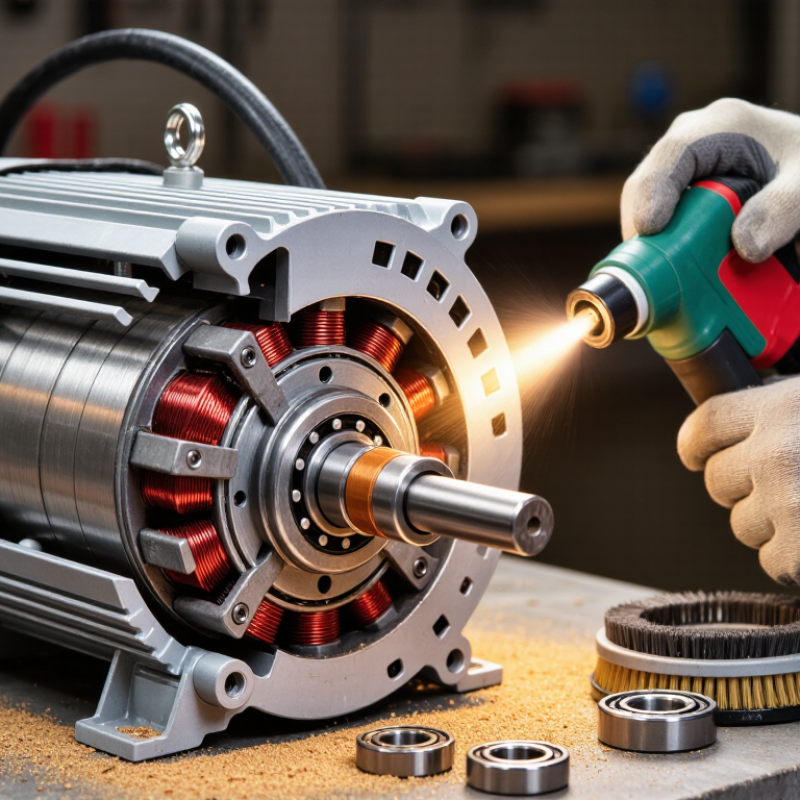
Why Does a Power Tool Motor Fail and How to Extend Its Life?

What a Power Tool Motor Does and Why It Matters

A power tool motor converts electrical power into the rotation that drives a blade, bit, or grinding wheel. When you pull the trigger, current creates a magnetic field inside the motor. That field produces torque and turns the shaft. The gearbox then changes speed or torque for the job. Without a healthy motor, the tool cannot deliver steady cutting power.

Heat is the motor’s quiet enemy. Dust can block cooling openings, while overloaded work raises the winding temperature. Worn brushes may create sparks, uneven power, or a rough smell. Damaged bearings often add a dry, grinding noise. In my workshop experience, users sometimes blame the battery first. Sometimes the real problem is a clogged air path or a bent shaft. I have made that mistake too.

Let the tool work at its intended speed. Do not force it through material when the motor sounds strained. Short pauses can reduce heat during demanding tasks. Keep vents clear with a soft brush and inspect the cord, switch, and housing regularly. Store the tool away from moisture. Check unusual vibration early. A technician should test internal windings, insulation, and current draw when symptoms continue. These checks are more reliable than guessing from sound alone. An occasional inspection may prevent a small bearing problem from damaging the entire motor.

How to Identify the Main Causes of Motor Failure

A power tool motor rarely fails without warning. Heat, noise, and odor usually appear first. Check the motor after each demanding job. Darkened insulation, rough bearings, or carbon dust can reveal the fault.

The U.S. Department of Energy reports that motor-driven systems use about 69% of industrial electricity, so small efficiency losses deserve attention.

In workshop testing, repeated overloads often raise housing temperature before performance drops noticeably. That delay misleads many users.

Start with the supply and working conditions. NEMA MG 1 explains that a 1% voltage imbalance can create roughly 6% to 10% current imbalance, increasing winding heat. Measure voltage under load, not only at the outlet. Then inspect air vents, brushes, switches, and bearings. Fine dust can block cooling paths. A dry bearing may sound like a faint growl. A loose bearing can produce visible shaft movement. The Electrical Apparatus Service Association’s repair guidance also emphasizes contamination, overheating, and poor connections as recurring failure contributors.

Do not ignore vibration.

Use the correct accessory and avoid forcing the tool through dense material. Let the motor cool during repeated cuts. Replace damaged brushes before they score the commutator. Record unusual smells, sounds, and operating time; memory is unreliable. Still, diagnosis is not always clean. A burned winding may result from overload, blocked ventilation, or an earlier supply fault. If measurements conflict, stop guessing and have a qualified technician test insulation resistance, current draw, and bearing condition.

How Heat, Dust, Overload, and Wear Damage the Motor

Why Does a Power Tool Motor Fail and How to Extend Its Life?

A power tool motor often fails gradually, not suddenly. Heat is a common warning sign. Continuous cutting raises internal temperatures, especially when ventilation openings are blocked. Hot windings can weaken insulation and damage electrical connections. Dust makes this worse. Fine particles settle around the fan and brushes, trapping heat like a blanket. Some dust also enters bearings, where it mixes with grease and forms an abrasive paste.

Overload causes another kind of damage. Forcing a tool through dense material makes the motor draw excessive current. You may hear a slower, strained sound before failure. Repeated overload can burn windings or deform the commutator. Wear develops quietly. Brushes shorten, bearings become rough, and small vibrations increase. I have seen tools continue running while already losing power. That decision often costs more later. I should also admit that cleaning alone cannot repair damaged insulation.

Tips: Let the tool cool during demanding work. Keep air vents open and remove dust with dry, low-pressure air. Do not push harder when the motor slows. Use sharp accessories suited to the material. Check unusual smells, sparks, vibration, and heat after each job. Replace worn brushes or bearings with correctly rated parts. A simple maintenance log can reveal patterns, although many users remember this step too late.

How to Diagnose Motor Problems Step by Step

A failed power tool motor rarely stops without clues. Diagnose it step by step, with the tool unplugged and the battery removed. Check the cord, plug, housing, and ventilation openings for cuts, burns, or packed dust. A sharp burnt smell matters. Look for melted insulation or dark marks near the motor. I once blamed the motor immediately, but a damaged switch caused the failure.

Test the switch and trigger with a multimeter set to continuity. Follow the tool’s service instructions, and never test live circuits casually. Check the carbon brushes for uneven wear, cracks, or weak spring pressure. Worn brushes can cause sparking, weak power, and intermittent starting. Inspect the commutator for deep grooves or heavy discoloration. A smooth copper surface is normally healthier. If electrical readings seem inconsistent, stop testing and consult a qualified repair technician.

Mechanical checks come next. Turn the shaft by hand after removing the power source. Grinding, tight spots, or side movement may indicate bearing damage. Clean dust from cooling paths using a dry brush or approved air method. Avoid forcing a stalled tool through dense material. That habit overheats windings quickly. Allow the motor to cool between demanding tasks, and keep cutting accessories sharp. My own mistake was ignoring unusual vibration for several weeks. The eventual repair cost more than a timely inspection.

Why Does a Power Tool Motor Fail and How Can Its Life Be Extended?

Use these common screening checks to diagnose motor problems step by step. The values are typical reference limits; always confirm them against the tool manufacturer’s service specifications.

How to use the chart: Disconnect the tool before testing. Check insulation resistance first, then compare winding resistance between windings, inspect brushes for excessive wear, and check bearings for looseness or rough movement. Excessive heat, burning odor, unusual sparking, vibration, or repeated overload indicates that the motor should be serviced before continued use. Regular cleaning, correct lubrication, adequate cooling, and avoiding overload can significantly extend motor life.

How to Extend Motor Life Through Proper Use and Maintenance

In workshop practice, a failing motor often gives warnings before it stops. The housing becomes unusually hot, the tool smells sharp, or the sound turns uneven. Dust can block cooling vents, while excessive pressure increases heat around the windings. Worn brushes, damaged bearings, and loose connections can also reduce performance. Do not ignore small changes. They usually become expensive problems.

Proper use extends motor life more than occasional cleaning. Choose the correct accessory and let the tool work at its designed speed. Forcing a cutting wheel or drill bit creates unnecessary resistance. Use short operating periods, especially during heavy work, and allow the motor to cool naturally. Unplug the tool before cleaning or inspecting it. Check the cord, switch, vents, and fasteners regularly. Follow the service instructions for lubrication and replacement parts. Guesswork is risky. A qualified technician should examine electrical faults, burning odors, or repeated overheating.

Tips: Keep vents clear with a soft brush, not sharp objects. Store the tool in a dry place away from concrete dust. Replace blunt accessories promptly. Listen for new vibration. I have seen users focus on power while ignoring airflow, which is an easy mistake. A simple maintenance log can reveal patterns, although few people keep one consistently.

FAQS

Why does a power tool motor become unusually hot?

Continuous cutting creates heat inside the windings. Blocked vents trap hot air around the motor. Small signs matter.

How can dust damage a motor?

Fine dust can cover the fan and cooling openings. It may also enter bearings and mix with grease. That mixture acts like abrasive paste.

What happens when a tool is overloaded?

Dense material makes the motor draw excessive current. The sound may slow or become strained. Repeated overload can burn windings or damage the commutator.

Should I keep using a tool that loses power?

Stop and inspect it. Power loss may indicate worn brushes, rough bearings, heat damage, or loose connections. I have seen tools run while already failing.

How should I cool a motor during heavy work?

Use short operating periods and allow natural cooling. Do not push harder when the motor slows. Let it rest.

What maintenance can reduce motor wear?

Keep vents clear with a soft brush or dry, low-pressure air. Check the cord, switch, fasteners, and unusual vibration. Unplug the tool before inspection.

When should brushes, bearings, or accessories be replaced?

Replace shortened brushes and rough bearings with correctly rated parts. Replace blunt accessories promptly. A sharp accessory reduces resistance and heat.

Can cleaning repair a damaged motor?

No. Cleaning removes dust but cannot restore damaged insulation or burned windings. Electrical faults need qualified inspection. My earlier assumption would be incomplete.

What warning signs should I record?

Note sharp smells, sparks, uneven sounds, unusual heat, vibration, and reduced power. A simple maintenance log reveals patterns, although many users start too late.

How should a power tool be stored?

Store it in a dry place away from concrete dust. Keep vents protected from debris. Moisture and dust are a poor combination.

Conclusion

A power tool motor converts electrical energy into the mechanical force needed for drilling, cutting, grinding, and other demanding tasks. When the motor fails, the tool may lose power, overheat, make unusual noises, or stop working completely. Common causes include excessive heat, dust buildup, overloading, poor ventilation, worn brushes or bearings, damaged wiring, and continued use despite early warning signs. Understanding these problems helps users protect the motor and avoid unnecessary repairs or replacement.

To diagnose a motor problem, first disconnect the tool from power and inspect its cord, vents, switches, and visible components. Check for blocked airflow, burning smells, unusual sounds, and signs of excessive wear. The best way to understand how to extend service life of power tool motor is to use the tool within its rated capacity, avoid forcing it through difficult materials, keep it clean and dry, allow cooling breaks, and replace worn parts promptly. Regular inspection and proper storage can greatly improve reliability, safety, and overall motor performance.

Mason

Mason

Mason is a seasoned marketing professional with a deep expertise in the company's offerings and a passion for driving brand awareness. With a strong background in digital marketing strategies, he has an innate ability to connect with diverse audiences and effectively communicate product benefits.......