Why Reducing Vibration in Handheld Electric Tools Matters?

Time:2026-07-15 Author:Oliver
0%

Handheld electric tools are indispensable in various industries, from construction to woodworking. However, excessive vibration remains a significant concern. Studies show that prolonged exposure to vibration can lead to serious health issues, including Hand-Arm Vibration Syndrome (HAVS). According to the Health and Safety Executive, around 1.5 million workers in the UK are exposed to hand-arm vibration. This highlights the urgency of addressing vibration in tool design.

Reducing vibration in these tools not only enhances user safety but also improves efficiency. High vibration levels can lead to decreased precision and increased fatigue. Research indicates that tools with optimized vibration levels can enhance productivity by nearly 20%. The question arises: How to reduce vibration of handheld electric tools? Implementing better materials, ergonomic designs, and advanced damping technologies is critical.

It’s crucial to acknowledge that not all solutions are universally applicable. Customization for specific tasks may enhance effectiveness. Industry practices vary, and technology is continually evolving, which requires ongoing reflection on best practices. The demand for reducing vibration is not just a trend; it is a necessary shift toward safer workplace environments.
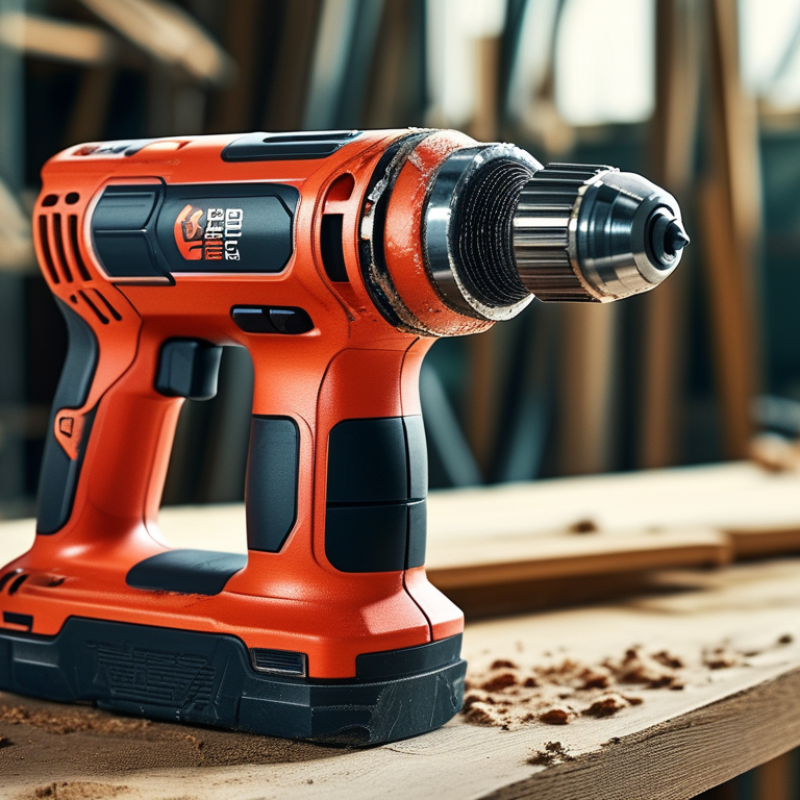
Why Reducing Vibration in Handheld Electric Tools Matters?

Importance of Vibration Reduction in Handheld Electric Tools

Reducing vibration in handheld electric tools is crucial for both user safety and tool performance. High levels of vibration can lead to Hand-Arm Vibration Syndrome (HAVS), a serious condition affecting blood circulation and nerve function in users. According to industry studies, around 1.5 million workers in the United States are exposed to hazardous levels of vibration each year. This condition can cause long-term health issues that may impair one’s ability to work.

Incorporating effective vibration reduction technologies not only enhances user comfort but also improves precision during tasks. For example, tools with advanced damping systems can lower vibration levels by up to 50%. This reduction allows users to operate tools for longer periods without fatigue. However, many tools still lack adequate vibration control, leaving users at risk. Investing in tools that prioritize vibration reduction is not just a matter of preference; it’s essential for protecting workers’ health.

Moreover, vibration can negatively impact tool performance and lifespan. Excessive vibration may lead to tool wear and diminished effectiveness over time. Regular maintenance checks and awareness of vibration levels can greatly extend a tool's lifespan. Yet, many users overlook this vital aspect. A mindful approach to vibration management can ensure better outcomes and enhance overall productivity in various work environments.

Understanding the Types of Vibration in Electrical Tools

Vibration is an inherent feature of handheld electric tools. Understanding the types of vibration they produce is crucial for ensuring user safety and tool performance. There are two primary types of vibration: whole-body vibration and hand-arm vibration. Whole-body vibration usually occurs in larger equipment and can lead to serious health issues over time, such as back pain and fatigue. Hand-arm vibration, however, is more prevalent in handheld tools and can cause conditions like hand-arm vibration syndrome (HAVS). Reports indicate that approximately 1.5 million workers in the UK are at risk of HAVS.


The impact of hand-arm vibration affects productivity and health. Research shows that 10% of users experience numbness and tingling in their fingers after just a short period of use. This can reduce grip strength, hampering efficiency and precision. Regular exposure increases the risk of permanent damage. Tools that emit lower vibration levels can be more beneficial over time. However, the market lacks standardized measures for vibration reduction, leading to inconsistencies.


Creating effective strategies to minimize vibration is an ongoing challenge. Implementing better ergonomic designs and using vibration-damping materials are vital steps. Yet, many manufacturers resist investing in these improvements due to cost concerns. While some advancements have been made, frustration remains over the slow pace of innovation. It's essential for the industry to prioritize research in this area to protect the workforce and improve tool effectiveness.

Health Risks Associated with Excessive Vibration Exposure

Excessive vibration exposure from handheld electric tools poses significant health risks. Workers using these tools often complain of discomfort and pain. This prolonged exposure can lead to serious conditions, such as hand-arm vibration syndrome (HAVS). Symptoms include numbness and tingling in the fingers. Avoiding these issues requires awareness and action.

Vibration can also cause fatigue and loss of grip strength. Many workers underestimate the risks. They might ignore early signs of discomfort, thinking they will go away. This can lead to chronic injuries that limit their ability to work. Research suggests that prolonged exposure can even result in permanent nerve damage. It's critical to recognize these risks and implement protective measures.

Reducing vibration exposure is vital for maintaining health. Proper tool selection, grips, and vibration-dampening technology can help. Regular breaks are essential to allow recovery. However, not all workplaces prioritize these measures. Simple adjustments can prevent long-term consequences. Awareness and education can empower workers to protect themselves.

Health Risks Associated with Excessive Vibration Exposure

Technological Advances in Vibration Dampening Features

Technological advances in vibration dampening features have significantly increased the performance of handheld electric tools. According to a report from the International Labour Organization, excessive vibration can lead to serious health issues, including Hand-Arm Vibration Syndrome (HAVS). It's estimated that 1.6 million workers are affected by this condition each year. This highlights the need for tools that minimize vibrations effectively.

Innovative materials and designs are at the forefront of these advancements. Manufacturers are now integrating advanced damping systems that absorb vibrations before they reach the user’s hands. This could involve engineered composites or specialized rubber mounts. A recent study indicated that tools equipped with these technologies can reduce vibration exposure by up to 80%. However, the implementation of such features may not be uniform across all tools, which can lead to inconsistencies in user experience.

Additionally, while many companies invest in vibration control technologies, their effectiveness can vary. Tools with poorly executed damping systems may still transmit harmful vibrations. Understanding such discrepancies is vital for both manufacturers and users. Without thorough testing and user feedback, achieving optimal vibration reduction remains a challenge.

Best Practices for Using Handheld Tools to Minimize Vibration

Reducing vibration in handheld electric tools is crucial for safety and productivity. Vibration can cause long-term damage to muscles and nerves. Thus, knowing how to minimize it can prolong your tool's life and improve your comfort.

To effectively reduce vibration, grip your tool properly. A firm yet relaxed grip helps. Use gloves designed for vibration-dampening properties. Pay attention to how the tool feels in your hands. If it vibrates excessively, take a break. This is a sign that your body needs rest.

Always ensure your tools are well-maintained. Inspect them regularly for wear and tear. Worn components can increase vibration levels significantly. Using tools equipped with anti-vibration features is also a good practice. These features can help reduce the strain on your hands and arms during prolonged use.

Consider your working posture as well. Standing straight with your arms slightly bent can help. Leaning awkwardly can increase the effects of vibration. Frequent adjustments can be tiring but may be necessary for your well-being.

Why Reducing Vibration in Handheld Electric Tools Matters? - Best Practices for Using Handheld Tools to Minimize Vibration

Tool Type Vibration Level (m/s²) Recommended Usage Duration (hrs) Best Practices
Angle Grinder 7.5 1 Use vibration dampening gloves; Take breaks
Rotary Hammer 9.0 2 Regularly maintain tool; Use proper grip
Sander 5.0 3 Use a dust extraction system; Alternate hands
Jigsaw 4.5 4 Use blades designed for low vibration; Work on stable surfaces
Reciprocating Saw 8.0 1.5 Secure the material; Use anti-vibration handles

FAQS

: What are the two main types of vibration in electrical tools?

: The two main types are whole-body vibration and hand-arm vibration.

What health issues arise from hand-arm vibration?

Hand-arm vibration can lead to hand-arm vibration syndrome (HAVS), causing numbness and tingling.

How does vibration exposure affect productivity?

Vibration can reduce grip strength, leading to decreased efficiency and precision in work tasks.

What are some long-term risks of excessive vibration?

Prolonged exposure may result in chronic injuries or permanent nerve damage to users.

How can workers minimize vibration exposure?

Proper tool selection, regular breaks, and wearing anti-vibration gloves can help reduce exposure.

What should users do if they feel excessive vibration?

Users should take a break immediately if they notice excessive vibration in their tools.

Why is ergonomic design important in tools?

Ergonomic designs can help minimize vibration and reduce health risks for users over time.

What role does tool maintenance play in vibration levels?

Regular maintenance is crucial; worn tools can increase vibration and health risks significantly.

How can posture impact the effects of vibration?

Proper posture can help reduce vibration strain, while awkward positions may worsen its effects.

What is a common misconception about vibration risks?

Many workers underestimate the risks, believing discomfort will resolve without action.

Conclusion

Reducing vibration in handheld electric tools is essential for enhancing user comfort, promoting safety, and improving overall tool performance. Vibration can originate from various sources in electrical tools and can pose significant health risks, including musculoskeletal disorders and nerve damage, which are associated with prolonged exposure. Understanding the types of vibration and their impact is crucial for users, as excess vibration can lead to serious long-term health issues.

To mitigate these risks, technological advancements have resulted in improved vibration dampening features in modern tools. Additionally, adopting best practices for using handheld tools, such as maintaining a firm grip and using tools equipped with vibration reduction technology, can significantly decrease exposure. Ultimately, knowing how to reduce vibration of handheld electric tools not only contributes to a safer working environment but also enhances the efficiency and longevity of the tools themselves.

Oliver

Oliver

Oliver is a seasoned marketing professional with a wealth of expertise in driving brand awareness and engagement. With a deep understanding of our company's product offerings, he consistently delivers high-quality content that enriches our professional blog. His insights not only shed light on......