Electric tools are essential in various industries, but they can produce unusual noises. Understanding why electric tools make abnormal noise is crucial for users and manufacturers alike. According to a report from the International Society of Automation, nearly 75% of users encounter noise as a common issue with these tools.
Dr. Martin Chase, a leading expert in power tool engineering, highlights that "abnormal sounds can indicate underlying problems in electric tools." These noises often result from mechanical failures, inadequate lubrication, or worn-out components. Users may notice grating, rattling, or buzzing, which can signal that maintenance is required.
It is important to address these issues. Ignoring unusual noises can lead to decreased performance and, ultimately, tool failure. Regular inspections and understanding noise sources can enhance tool lifespan. Therefore, exploring why electric tools make abnormal noise not only protects investments but also ensures safety and efficiency in operations.
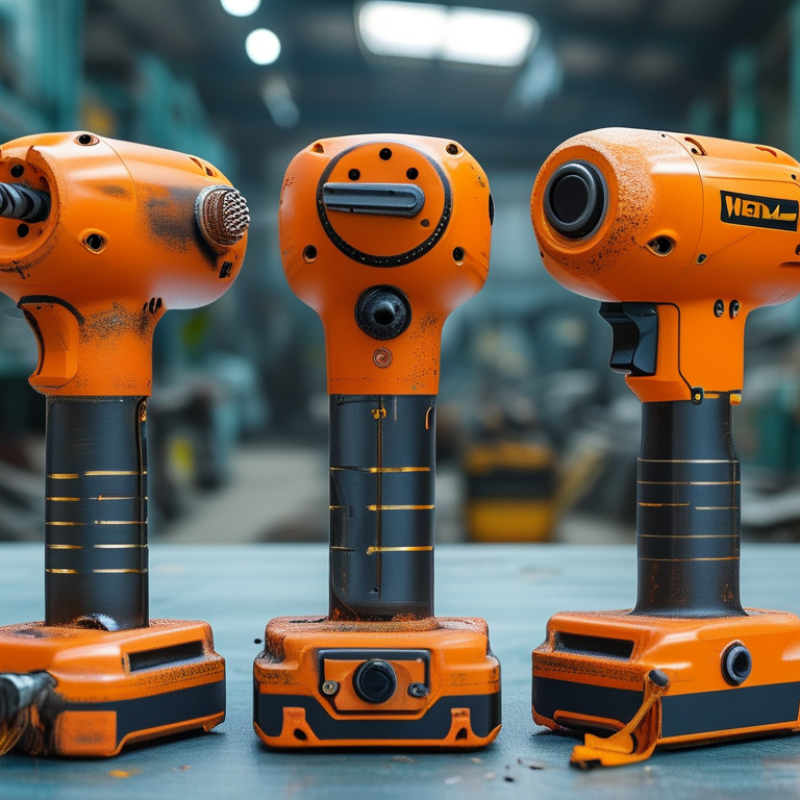
Understanding the Nature of Electric Tools and Their Noise Production
Electric tools are essential for many tasks, but their noise can be puzzling. Understanding this phenomenon starts with how these tools work. Most electric tools operate using motors that convert electrical energy into mechanical energy. This conversion isn't always smooth and can result in various sounds. Vibrations from the motor, blades, or accessories contribute to the noise.
Different types of tools produce different sounds. A drill, for instance, generates a high-pitched whine, while a sander may create a low hum. These noises can sometimes indicate wear or malfunction, which is worth considering. Not all sounds mean trouble, but it's wise to stay attentive. For example, a sudden change in sound might suggest a need for maintenance.
Examining the nature of these noises helps users identify potential issues. Some users dismiss sounds that seem normal without understanding their cause. Over time, this can lead to bigger problems. Observing and reflecting on the sounds your electric tools make can promote better maintenance habits. Listening carefully may help in prolonging the tool's life and improving overall performance.
Common Sources of Unusual Noises in Electric Tools
Electric tools can produce unusual noises that may raise concern among users. Understanding the common sources of these sounds is crucial for effective troubleshooting. A buzzing or humming noise often indicates an issue with the motor or electrical components. Over time, loose screws or worn bearings can cause increased friction, leading to an abnormal sound. If a tool emits a grinding noise, it could signal that metal parts are rubbing against each other, necessitating immediate inspection.
Another common noise is the rattling sound. This may result from loose or damaged parts within the tool. A thorough check of screws and attachments is essential to ensure everything is secure. Additionally, air leaks in pneumatic tools can create a hissing noise, which is a sign that something needs attention. Addressing these noises promptly can prevent more significant damage and enhance the tool's lifespan.
Finally, some sounds may be less obvious but still require reflection. A high-pitched squeal could indicate that lubrication is needed. Neglecting this can lead to wear and tear. Users should always be attentive to changes in sound, as they often serve as early warnings of potential problems. Ignoring these signs may lead to costly repairs or replacements down the line.
Factors Affecting Noise Levels in Electric Tools
Electric tools are designed to perform efficiently, but they can often produce unusual noises. Understanding the factors that affect noise levels can provide insight into their operation. One major factor is the design of the tool. Tools with powerful motors tend to generate more sound. This is often due to the higher RPMs (revolutions per minute) required for effective performance.
Moreover, the condition of the tool plays a significant role. Worn-out parts or inadequate lubrication can exacerbate noise levels. For example, a dull blade might cause a saw to struggle, generating a grinding sound. Routine maintenance is often overlooked, yet it is crucial for reducing unwanted noise.
Another aspect is the material being worked on. Harder materials usually create more noise, regardless of the tool's design. Even the environment affects how sound travels. Working in enclosed spaces amplifies the noise, making it seem louder. Despite manufacturers' efforts, some tools will inevitably generate unusual sounds during operation.
Understanding these factors can help users address noise levels effectively but also encourages reflection on tool choices for specific tasks.
Troubleshooting Noisy Electric Tools: Tips and Solutions
Unusual noise from electric tools can be concerning. Hearing a grinding or whining sound may indicate a problem. The motor might struggle due to debris buildup. Check the tool for any visible obstructions. Dirt and dust can cause wear and tear over time. Regular maintenance can prevent these issues.
Another common cause of noise could be loose components. Bolts and screws may come undone during use. Inspect your tools thoroughly to ensure everything is tight. This simple step can reduce vibrations that lead to loud noises. Ensure the blades and bits are properly attached.
Sometimes, the noise might be normal for the tool’s operation. However, if the sounds are excessive or changed, it’s a cause for alarm. It may signal impending failure. Always listen to your tools carefully. If in doubt, consult a professional for guidance. Trust your instincts when something seems off.
Why Do Electric Tools Make Unusual Noise? - Troubleshooting Noisy Electric Tools: Tips and Solutions
| Tool Type |
Common Noise Issues |
Possible Causes |
Troubleshooting Tips |
| Drill |
Squealing or grinding sound |
Dull bit, lack of lubrication |
Sharpen or replace bit; lubricate motor |
| Saw |
Rattling or clanking sound |
Loose blade, worn bearings |
Check blade tightness; replace bearings if worn |
| Sander |
Humming or buzzing |
Electrical issue, worn motor |
Inspect wiring; consider professional repair |
| Angle Grinder |
High-pitched whine |
Worn brushes, motor issues |
Replace brushes; check for motor damage |
| Router |
Loud popping sounds |
Incorrect bit speed, bit issues |
Adjust speed; inspect and replace bits |
Preventive Measures to Reduce Noise in Electric Tools
Electric tools often produce unexpected noises, raising concerns about their efficiency and potential issues. To mitigate excessive noise, manufacturers have focused on soundproofing designs and using quieter mechanisms. For example, a study by the National Institute for Occupational Safety and Health indicates that up to 50% of workers exposed to high noise levels experience hearing damage. That highlights the need for preventative measures in tool design.
One effective strategy involves the use of rubber or foam padding, which absorbs vibrations and reduces sound output. Additionally, optimizing motor speed can help lower noise levels. According to the American National Standards Institute, properly maintained tools can reduce noise by up to 10 decibels. Regular checks can reveal small issues that might lead to increased noise, such as loose components or worn bearings.
Users should also consider their operational environment. Poor acoustics in the workspace can amplify tool noises. Utilizing sound-absorbing materials in workshops can create a quieter atmosphere. Despite these advancements, some tools can still make loud noises unexpectedly, indicating potential mechanical problems. Inspecting gear alignment and lubrication can help improve performance and reduce noise levels.
Conclusion
Electric tools are essential for various tasks, but they can sometimes produce alarming sounds. Understanding why electric tools make abnormal noise involves exploring the nature of these tools and their mechanisms. Common sources of unusual noises may include worn-out bearings, loose components, or issues with the motor. Factors such as tool design, usage conditions, and maintenance practices also significantly influence noise levels.
To address noisy electric tools, troubleshooting tips can help identify the source of the problem, leading to effective solutions. Regular maintenance and preventive measures, such as lubricating moving parts and ensuring proper storage, can minimize noise production. By understanding the reasons behind these sounds, users can maintain their tools better and operate them more efficiently, ultimately extending their lifespan while reducing discomfort during use.

