How to Use Power Tools Safely Outdoors in 2026

Time:2026-07-05 Author:Madeline
0%

Using power tools outdoors can be a rewarding experience, but safety is paramount. In 2026, the landscape of power tool usage has evolved. Innovations have made these tools more efficient, yet risks remain. Understanding how to use power tools safely outdoors is crucial for both beginners and seasoned users.

Safety begins with preparation. Always inspect tools before starting a project. Check for damage or wear. Wearing the right protective gear is essential, including goggles and gloves. However, many overlook the importance of a stable work surface. Stabilizing your workspace reduces the risk of accidents.

Moreover, knowledge of the specific power tool is key. Each tool has unique features and operational hazards. Misusing tools can lead to injuries that could have been avoided. Reflecting on past mistakes helps us improve our approach. By prioritizing safety, we can enjoy our projects while minimizing risks.
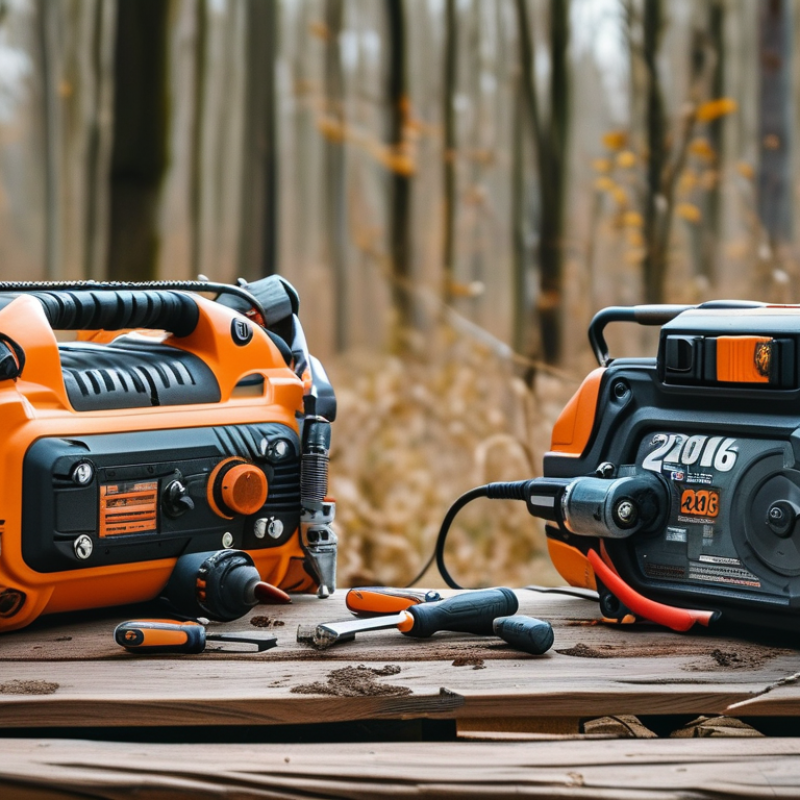
How to Use Power Tools Safely Outdoors in 2026

Understanding Different Types of Power Tools for Outdoor Use

When working outdoors, understanding different types of power tools is essential. Each tool serves a unique purpose and has specific safety requirements. For instance, a circular saw is excellent for cutting lumber, but improper handling can lead to serious accidents. Familiarize yourself with its features before use. Read the manual and wear appropriate safety gear.

String trimmers manage pesky weeds effectively but can be tricky. They can throw debris and potentially cause injury. Operate them cautiously, ensuring nothing is in the way. While using tools, be aware of your surroundings. Unexpected obstacles can lead to mishaps.

Additionally, consider the environment where you operate these tools. Uneven ground can affect stability. Always have a solid footing when using saws or drills. Working with power tools outdoors comes with its challenges. Reflect on your skills regularly to ensure you are always improving your technique and maintaining safety practices.

Essential Safety Gear for Operating Power Tools Outdoors

When operating power tools outdoors, safety gear is crucial. Wearing the right equipment minimizes risks and injuries. Start with a reliable pair of safety goggles. They protect your eyes from flying debris. A helmet can also shield your head, especially when cutting overhead.

Hearing protection is vital too. Outdoor environments often amplify noise levels. Consider using earplugs or earmuffs designed for loud work areas. Gloves are another key piece of gear. They provide grip and protect against cuts. Choose gloves that fit well. If they're too loose, your dexterity may suffer.

Footwear is equally important. Steel-toed boots can prevent injuries from heavy tools. Ensure they have a good grip to avoid slipping. Consider wearing long pants and long sleeves. This clothing offers an extra layer of skin protection. Remember, the right gear can make all the difference.

Tips: Always double-check your equipment before using it. Inspect your gear regularly for damage. It’s easy to overlook small tears in gloves or goggles. Make it a habit to review your safety measures before starting. Reflect on your previous experiences to improve your practices.

Pre-Use Safety Checks for Power Tools in Outdoor Settings

Before starting any outdoor project with power tools, it's essential to conduct thorough pre-use safety checks. According to the U.S. Consumer Product Safety Commission, power tools are responsible for over 400,000 injuries annually. This statistic underscores the necessity for diligence in safety procedures.

Check the tool's power source. Ensure that batteries are charged, cords are intact, and switches work properly. Any frayed wires or defective components can lead to serious accidents. Additionally, inspect the area where you'll be working. Remove any debris, and ensure that the terrain is stable and dry. Slipping hazards can contribute to severe incidents, as about 30% of outdoor power tool injuries are caused by falling.

Wearing appropriate personal protective equipment (PPE) is also critical. At minimum, safety goggles and gloves should be worn. Studies show that wearing the correct PPE can reduce injury severity by up to 60%. Reflect on your own habits as well. Many accidents occur due to negligence, such as skipping safety checks in a rushed attempt to start a project. Always remember, taking a few extra minutes for safety could prevent a lifetime of regret.

How to Use Power Tools Safely Outdoors in 2026 - Pre-Use Safety Checks for Power Tools in Outdoor Settings

Power Tool Pre-Use Safety Check Safety Gear Required Weather Considerations
Cordless Drill Check battery charge and connections. Safety glasses, gloves. Avoid wet conditions to prevent slipping.
Circular Saw Inspect blade for damage and secure attachment. Hearing protection, dust mask. Avoid strong winds that can affect control.
Leaf Blower Check fuel level and inspect for leaks. Safety glasses, ear protection. Use in dry, calm weather for best results.
Power Washer Ensure hose connections are tight and check for damage. Waterproof gloves, goggles. Avoid using if lightning is present.
Chain Saw Inspect chain tension and lubricate as needed. Full-face shield, protective chaps. Do not use in high humidity or rain.

Best Practices for Maintaining Power Tools in Outdoor Environments

Outdoor power tools require special attention to ensure their longevity and safe use. Weather conditions can impact their performance significantly. Moisture and dirt can cause corrosion and damage to various components. Regular inspection before and after use is essential. Look for any signs of wear, rust, or loose parts. Clean the tools after each use, removing dirt and debris to prevent buildup.

Maintaining the tools also involves storage considerations. Power tools should be stored in a dry, sheltered place. Exposure to the elements can lead to premature failure. Consider covering tools with appropriate protective gear when not in use. Battery-operated tools require special care as well. Check battery connections routinely and store them in a cool, dry location.

Reflecting on your maintenance routine can reveal areas for improvement. Are you thorough in your cleaning process? Do you regularly check for wear and tear? Taking proactive steps ensures your tools operate optimally. An investment in maintenance is an investment in safety and performance. Consider creating a maintenance schedule to enhance accountability.

Emergency Procedures and First Aid for Power Tool Accidents Outdoors

Outdoor power tools are essential for many projects, but they also pose risks. In 2023, the U.S. Consumer Product Safety Commission reported around 60,000 injuries related to power tools. Understanding emergency procedures and first aid can significantly reduce the severity of injuries.

In case of an accident, remain calm. For minor cuts or abrasions, clean the wound with soap and water. Apply an antiseptic and cover it with a sterile bandage. If a more serious injury occurs, like a deep cut or amputation, apply direct pressure to stop bleeding. Elevate the injured area if possible. According to medical experts, treating severe injuries within the first 30 minutes improves outcomes.

Knowing how to respond is crucial. One-third of power tool injuries are caused by improper use. Preventing accidents starts with proper safety gear, like gloves and goggles. In emergency situations, having a first aid kit readily available can save lives. Regularly review your first aid knowledge. Will you be prepared when an accident happens?

Power Tool Safety Metrics: Outdoor Accidents (2026)

FAQS

: Why is safety gear important when using power tools outdoors?

: Safety gear minimizes risks and injuries caused by flying debris and other hazards.

What are essential safety items to wear during outdoor power tool use?

Safety goggles, gloves, and helmets are crucial for protecting against injuries.

How should gloves fit for optimal safety?

Gloves must fit well. Loose gloves can reduce dexterity and safety.

What should I check before using power tools outdoors?

Inspect cords, batteries, and switches. Ensure the working area is clean and stable.

How does wearing PPE affect injury severity?

Wearing the correct PPE can reduce injury severity by up to 60%.

What should I do in the event of a minor injury?

Clean the wound with soap, apply antiseptic, and cover it with a bandage.

What action is recommended for severe injuries?

Apply direct pressure to stop bleeding and elevate the injured area if possible.

How can I prepare for accidents when using power tools?

Keep a first aid kit handy and regularly review your first aid skills.

What habits can lead to accidents while using power tools?

Rushing safety checks or neglecting proper gear often results in accidents.

How can reflecting on past experiences improve safety practices?

Learning from previous mistakes helps reinforce the importance of safety protocols.

Conclusion

In the article "How to Use Power Tools Safely Outdoors in 2026," various aspects of safe power tool usage are addressed to ensure outdoor safety. It begins by exploring the different types of power tools designed for outdoor tasks, highlighting their specific functions and potential risks. Essential safety gear, such as gloves, goggles, and ear protection, is emphasized to protect users while operating these tools.

The article also outlines critical pre-use safety checks to ensure that the equipment is in proper working order before beginning any outdoor project. Maintenance practices are discussed, explaining how to care for tools in outdoor environments to extend their lifespan and enhance safety. Finally, the article provides emergency procedures and first aid tips, preparing users to respond effectively in case of accidents. By following these guidelines on how to use power tools safely outdoors, individuals can minimize risks and enjoy productive outdoor projects.

Madeline

Madeline

Madeline is a dedicated marketing professional with a wealth of expertise in our company's core offerings. With a keen understanding of the industry, she brings a unique perspective to her role, consistently delivering high-quality content that highlights the superior aspects of our products. As......