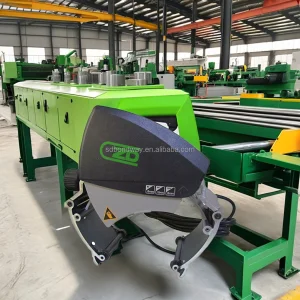
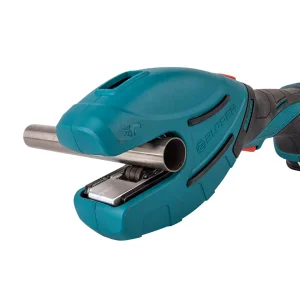
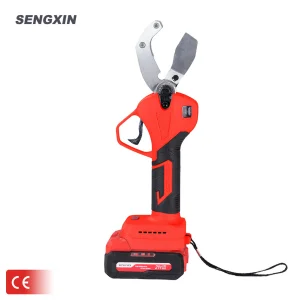
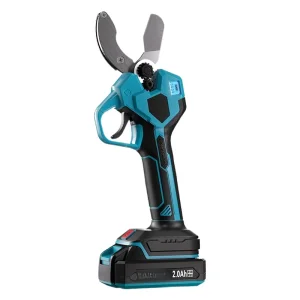
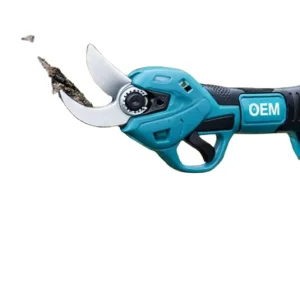
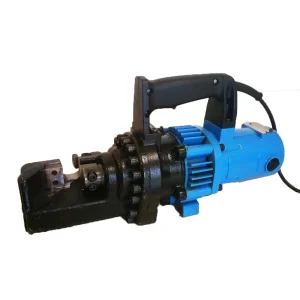
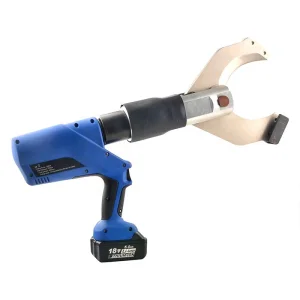
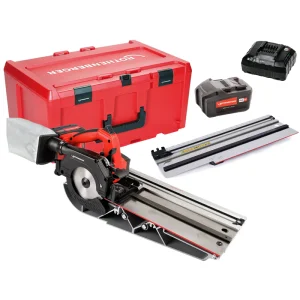
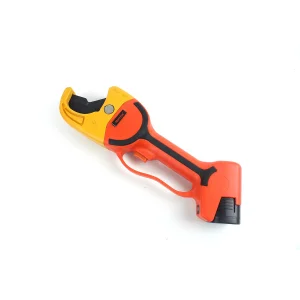
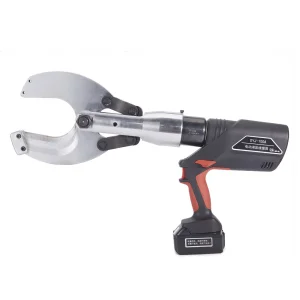
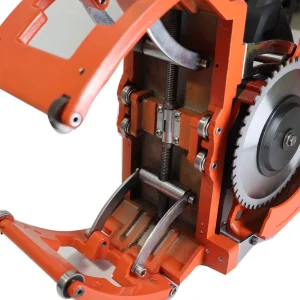
Equatorial Guinea's unique wet tropical climate and demanding mechanical pipeline frameworks necessitate rapid, spark-free cutting technology. These four primary units represent top-tier options for local construction, pipeline installation, and municipal piping layouts.
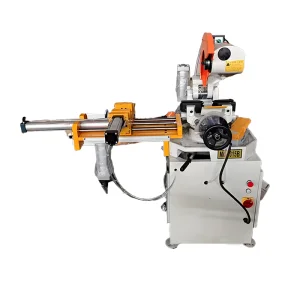
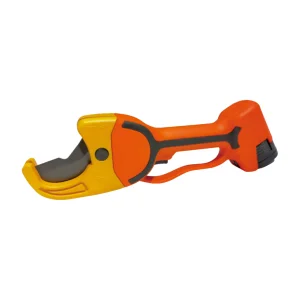
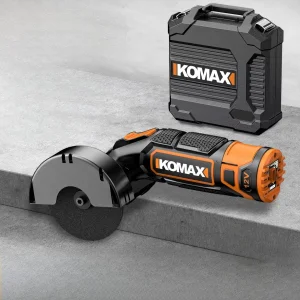
Equatorial Guinea, comprising the mainland region of Rio Muni and the insular Bioko Island, is undergoing substantial infrastructure updates. Major administrative developments in Malabo and Bata, alongside the construction of the future capital, Ciudad de la Paz (formerly Oyala), have driven the demand for professional plumbing, pipeline installation, and industrial piping networks.
Historically, piping projects in the country relied on manual hacksaws or heavy stationary pneumatic cutters powered by diesel generator units. This dependency posed challenges regarding productivity, portability, and worker safety—especially in remote rainforested terrains where access to the electrical grid is minimal. Transitioning to professional-grade cordless lithium battery tools minimizes dependencies on localized grid access, increases worker efficiency by up to 300%, and facilitates rapid, on-site adjustments.
Furthermore, Equatorial Guinea’s dominant oil and gas sector (centered around the Punta Europa processing complex on Bioko Island and the offshore Zafiro and Alba fields) demands strictly controlled, spark-free construction environments. Cold-cutting tools powered by brushless DC motors mitigate the risks of open flames or high friction heat associated with traditional angle grinders, positioning cordless pipe cutters as essential utility devices for petrochemical logistics and gas pipeline maintenance facilities.
High relative humidity levels exceeding 90% and high ambient salt-spray exposure along the Gulf of Guinea require specialized tool housings. Our products feature high IP ratings, sealed brushless motor shells, and anti-corrosive SK5 stainless steel blades designed to resist oxidation under high moisture conditions.
Operating lithium cells in average temperatures ranging from 25°C to 32°C requires strict thermal control circuits. Our standard battery systems are configured with Over-Temperature Protection (OTP) and heat-dissipating channels to prevent thermal runaway and degradation of cell lifespan during deep-charge discharge cycles in Equatorial Guinea.
Providing global-grade industrial tools, backed by certifications and advanced automated manufacturing facilities.
The global construction and industrial pipe fitting markets have shifted from manual, physically taxing shearing mechanisms toward automated electric and hydraulic tools. Modern cordless pipe cutters combine high-torque brushless DC motors, lithium-ion battery packs, and high-strength alloy blades (such as SK5, High-Speed Steel, or Titanium-coated blades) to complete clean cuts in seconds without deformation or burrs.
Traditional manual steel or PVC cutters require significant operator effort and average 1-2 minutes per cut for larger diameters. Cordless hydraulic or mechanical pipe cutters reduce this window to under 5 seconds, lowering structural installation times in large-scale residential projects in Malabo and Bata.
For stainless steel, copper, or PVC piping, burrs created by mechanical saws can cause seals to degrade, leading to fluid leaks or pressure drops. Automatic cordless cutters yield precise, square cuts that preserve the structural integrity of the pipe wall, facilitating immediate welding, thread cutting, or press-fit pipe connections.
Repetitive manual squeezing actions contribute to occupational musculoskeletal disorders (RSI). Cordless tools distribute the operational strain to the battery-powered mechanical transmission. Additionally, integrated trigger-lock systems and blade retractors minimize field injuries.
These models feature robust structural alloys and enhanced battery runtimes, designed for demanding operations in mining, water treatment, and electrical conduit installations.
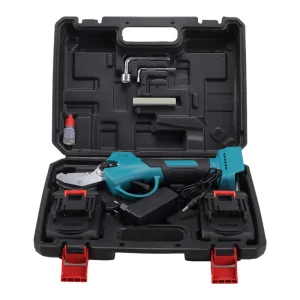
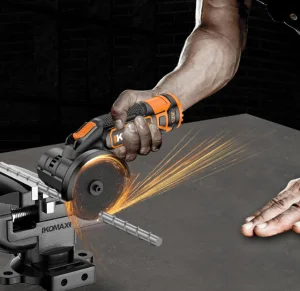
Zhejiang Maks Tool Manufacturing Co., Ltd., founded in 2013, is a high-tech enterprise specializing in R&D and production of lithium electric tools. The company focuses on developing and producing lithium cordless tools: cordless drills, cordless screwdrivers, brushless wrenches, brushless rotary hammers, and cordless gardening tools, among others. Operating under the ISO9000 quality control system, we have secured CE and GS certificates. With established quality and brand reputation, we now serve partners all over the world.
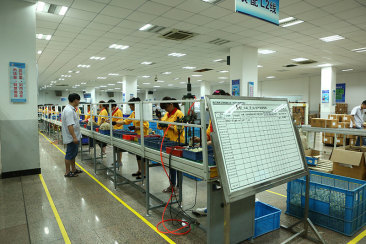
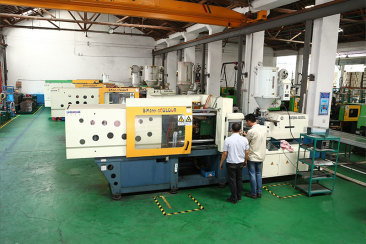
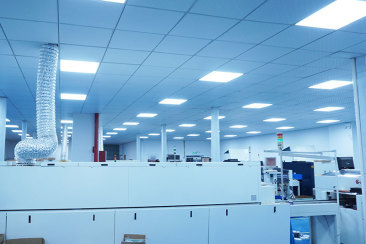
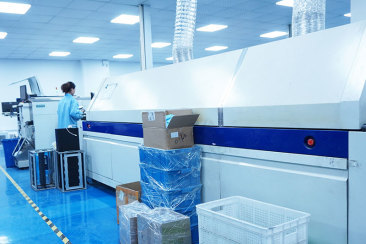
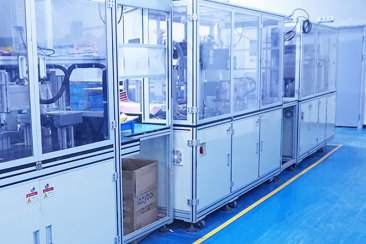
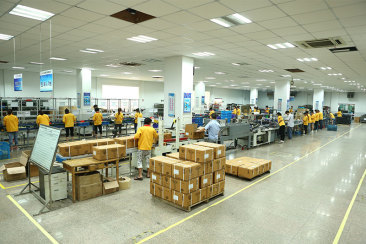
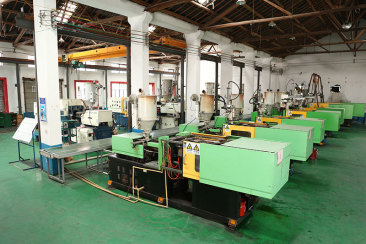
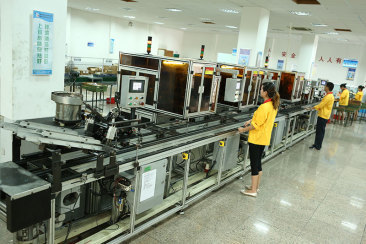
Our manufacturing facility features a modern workshop and fully automated motor production lines, which represent the core resource of the company. Additionally, we maintain a comprehensive suite of manufacturing and testing instruments to verify the performance and safety of every unit shipped. We continue to work toward providing reliable products to customers based on comprehensive service, prioritizing the shared growth of the company and its staff, as well as contribution and responsibility to society. We look forward to establishing broader, deeper, and long-term cooperation with new and regular partners globally, including the expanding Equatorial Guinean market.
Every tool is built under strict compliance guidelines in our digital factories, guaranteeing high component uniformity and durable gear-train assemblies.
Industrial piping in Equatorial Guinea involves three main categories: copper, stainless steel, and composite polymers (PPR, PVC, PE). Choosing the correct cutting tool requires selecting an appropriate material interface and understanding its technical limits.
Metallic cutting requires low-speed, high-torque mechanisms that prevent the pipe wall from overheating, which could cause structural crystallization. Cutting steel pipes demands high-strength planetary gearboxes and tempered cutting rollers. Our ZUPPER and EZ-105C tools utilize automatic hydraulic drives to generate enough clamping force to shear metal tubing cleanly without generating flying sparks, fulfilling cold-cutting requirements on gas terminals.
Municipal water lines in Malabo rely heavily on PPR and HDPE pipelines. PPR cutters utilize heated blades or high-speed shearing jaws (such as SK5 blades). The tool must maintain a perpendicular cutting angle relative to the pipe axis. This alignment helps prevent uneven cross-sections that could result in improper hot-melt jointing or leaks at connection interfaces.
Answering major queries regarding import, specifications, operations, and technical characteristics.
A comprehensive inventory of industrial cutters, ranging from miniature hand-held models to automatic heavy-duty orbital pipe cutting tools.