Modern chargers integrate seamlessly with the battery’s custom protection board (BMS). Using SMBus, I2C, or CAN bus hardware communication channels, the charger queries real-time internal resistance, single-cell voltage levels, and localized core temperatures.
International shipments require absolute compliance. Our manufacturing infrastructure conforms tightly to standards including ISO9000, CE, GS, UL 1310, FCC Part 15, and EN 60335-2-29 regulations to guarantee safety in industrial and residential settings alike.
To mitigate the risks of thermal runaway, our hardware adopts proprietary multi-stage charging algorithms. It dynamically decreases the input current as battery internal temperatures approach safety thresholds, keeping cells within the safe zone.
Zhejiang Maks Tool Manufacturing Co., Ltd. (also operating under Zhejiang Deling Industry & Trade Co., Ltd.), founded in 2013, has established itself as an elite, high-tech enterprise specializing in the specialized research, development, and vertical production of lithium electric cordless tools.
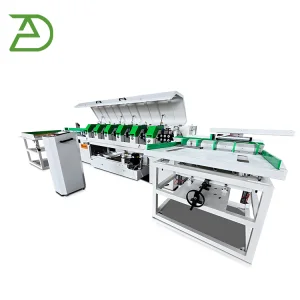
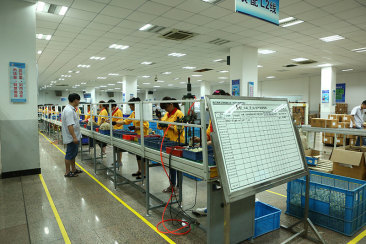
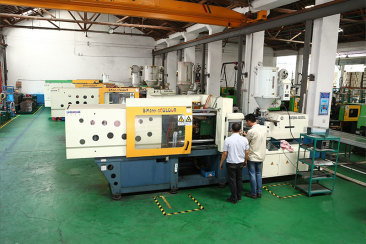
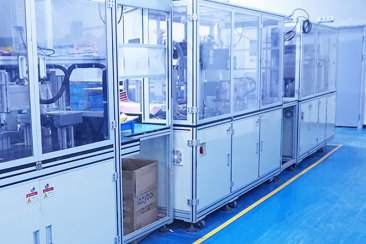
Our manufacturing and engineering capability bridges the gap between raw component fabrication and refined final assemblies. By incorporating automated winders and state-of-the-art diagnostic arrays, we maintain comprehensive control over the performance curves of our systems.
Zhejiang Maks Tool Manufacturing Co., Ltd.
From our base in Zhejiang, we export high-tech lithium cordless power systems to clients in North America, Europe, South America, and Asia. Our facilities are equipped with fully automated motor assembly machinery, ensuring consistency and reliability across production batches.
Core Competency: Customized charging voltage curves, adaptive delta-V detection, multi-bay smart chargers, and high-efficiency motor controllers.
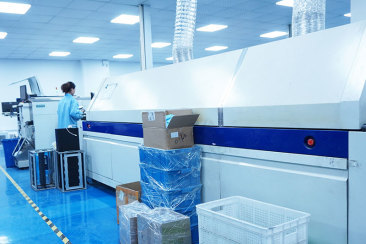
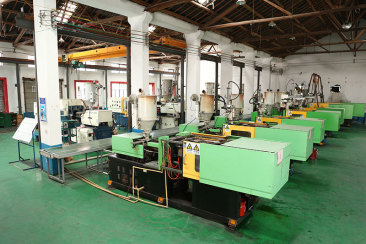
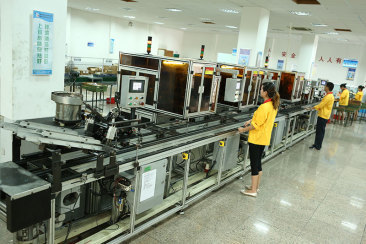
Operating a competitive factory footprint in mainland China allows us to leverage deep supply-chain integration. Our factory is equipped with automated SMT (Surface Mount Technology) assembly lines, automated motor-winding bays, and specialized functional testing systems.
By producing our own tool motors in-house and developing custom circuitry configurations for our chargers, we minimize dependency on third-party suppliers. This vertical integration directly translates into shorter production lead times, superior quality control, and robust pricing flexibility for high-volume wholesale buyers.
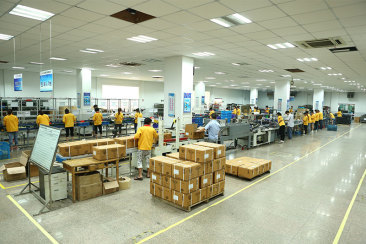
Every single power brick, multi-channel dock, and cordless tool undergo strict computerized aging checks under load conditions prior to packaging and dispatch. This rigorous process significantly reduces the rate of field failures and protects the brand equity of our global distribution partners.
Fully automated processes, state-of-the-art diagnostic instruments

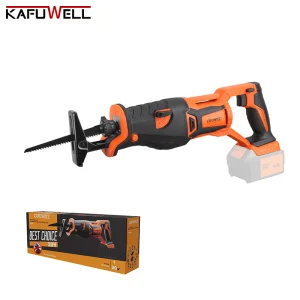
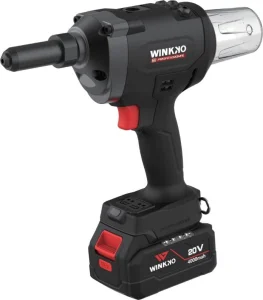
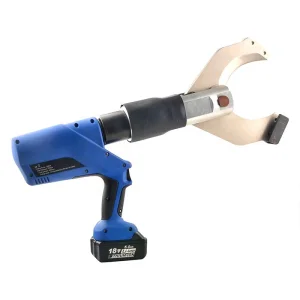
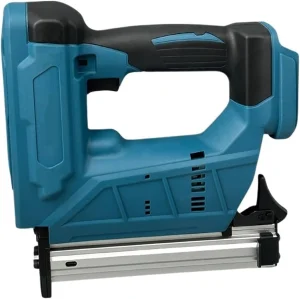
High-discharge tools like brushless impact wrenches, automatic pipe cutters, and heavy-duty strapping tools require continuous power rotation. Rapid chargers keep spare batteries cycled and ready, minimizing idle time on assembly lines.
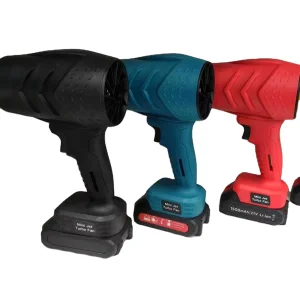
Gardening crews rely heavily on high-voltage battery banks for leaf blowers, chain saws, and hedge trimmers. Mobile charging cabinets mounted on trucks require robust vibration isolation, surge prevention, and DC-to-DC conversion interfaces.
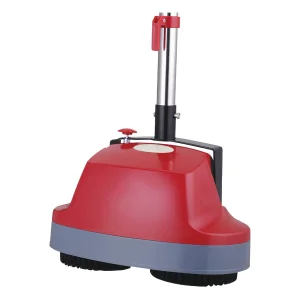
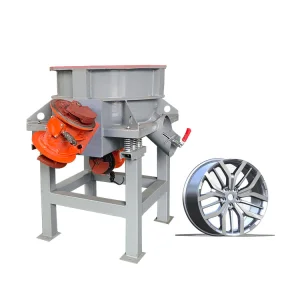
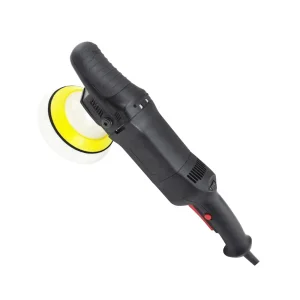
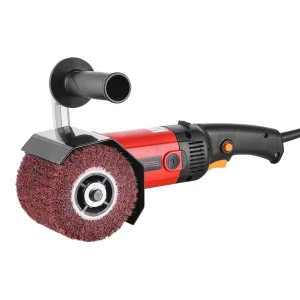
Electric polishing machinery, dual-action buffers, and specialized air tools run continuously in automotive detailing bays. These environments demand dust-resistant charging designs with integrated thermal limits and cooling fans.
Our battery chargers employ a three-phase constant-current, constant-voltage (CC/CV), and trickle-charge algorithm designed to protect cell chemistry while maximizing speed.
Throughout the charging lifecycle, localized sensors map cell status:
While many battery packs share physically compatible mounting tracks, their internal communication protocols can differ. Our intelligent charger boards feature programmable firmware that detects the target battery's connection pin layout. This allows the system to establish a safe charging profile based on the battery's specific internal resistance and nominal voltage, preventing overcharging even if a different brand's battery is mounted.
For the European Union, chargers must comply with the Low Voltage Directive (LVD) and Electro-Magnetic Compatibility (EMC) regulations, typically verified through CE and GS mark inspections. For the Americas, products must meet UL 1310 standards for Class 2 power units and conform to FCC Part 15 subpart B. Our facilities in Zhejiang maintain complete compliance records, ensuring smooth custom clearance at global ports.
An industrial-grade lithium tool charger should have an operational life expectancy exceeding 10,000 charge cycles, or roughly 5 years of heavy field use. To guarantee this, our QC protocols subject every batch to continuous full-load testing inside environmental chambers set to 40°C. We also monitor thermal profiles on the PCB, inductors, and switching transistors to prevent premature component failure.
Yes. We offer complete OEM and ODM customization services for our global wholesale distributors. This includes modifying plastic housing molds, custom color schemes, custom PCB trace layouts, adding localized power cables, and printing custom multi-lingual warning panels.