High-efficiency portable tools, cutting machines, and industrial thermal application systems designed for global distribution and OEM/ODM procurement.
The global construction and heavy metal fabrication sectors are experiencing a tectonic shift from traditional corded and pneumatic tools to high-voltage, lithium-battery-driven apparatus. This paradigm change is fueled by requirements for site safety, operator mobility, and carbon footprint reduction strategies.
According to industrial market analysis, the cordless power tool market is projected to reach USD 39.4 billion by 2030, with cordless saws—including reciprocating, circular, and bandsaws—capturing the largest segment of growth.
For B2B procurement managers and supply chain directors, choosing a manufacturing partner is no longer just about per-unit manufacturing cost. The critical parameters have expanded to include battery cell chemistry stability, electromagnetic compatibility (EMC) compliance, and the implementation of closed-loop BMS (Battery Management System) architectures.
Deploying lithium cordless saws across diverse commercial fields requires deep engineering integration.
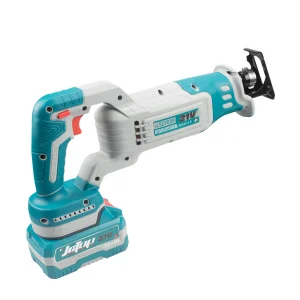
Municipal networks and civil contractors utilize high-torque, heavy-duty cordless reciprocating and pipe saws for remote pipeline servicing, metal conduit retrofitting, and structural steel modification. Eliminating high-voltage power lines on-site prevents electric shock hazards in damp trench settings.
High-capacity battery systems run high-torque circular and miter saws, giving timber framing crew speed and freedom. Modern high-voltage systems (36V/40V max) deliver output matching 15A corded variants, maintaining stable feed rates through dense structural lumber.
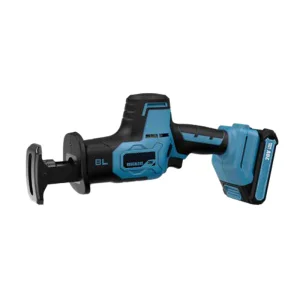
First responders rely on brushless reciprocating saws to extricate occupants and cut through structural alloys. Instant-start battery power saves time in dangerous situations, bypassing the startup latency of gasoline-fueled power tools.
Comparative intelligence of leading market operators and OEM suppliers based on technical metrics, battery ecosystems, and target applications.
A premier tier-one manufacturing specialist focusing on private-label lithium power tools and advanced motor assembly lines. Renowned for custom battery pack architectures and rigorous thermal testing regimes.
A powerhouse in industrial solutions, highly regarded for their M18 Fuel lineup. Their REDLINK PLUS Intelligence leads in thermal control and torque output optimization for severe duty applications.
A leader in high-performance motors, Makita's LXT and XGT (40V Max) systems provide structural tool longevity. Their dual-battery 36V platforms deliver corded output without shifting battery families.
Known for the FlexVolt platform, automatically changing voltage from 20V to 60V when swapping between heavy-duty saws and lighter tools. Excellent compatibility for mixed-capacity job sites.
Highly regarded for engineering precision and dust extraction system integration. Their BiTurbo brushless motor technology combined with ProCORE18V batteries yields high sustained cutting outputs.
The standard-bearer for direct-to-construction enterprise supply. Hilti's Nuron battery platform provides cloud-connected tool diagnostics and high-current power transfer for heavy concrete/metal saws.
A major global developer that powers brands like EGO and Flex. They excel at high-voltage thermal phase change materials, housing cells in thermal wraps to extend continuous runtimes.
Pioneers of the Cordless Alliance System (CAS), allowing cross-brand battery compatibility. Their LiHD battery packs offer high current output, ideal for demanding metalworking saws.
The standard-bearer for consumer-grade and light-commercial users. Their ONE+ 18V system features backward compatibility spanning decades, making it a popular fleet choice for maintenance tasks.
An innovative producer driving brushless motor integration down to the entry level. Their Kress brand targets European professional tiers with high-frequency brushless powertrains.
Zhejiang Maks Tool Manufacturing Co., Ltd., founded in 2013, is a high-tech enterprise, which specializing in R&D and producting lithium electric tools.
The company specializes in developing and producing lithium cordless tools: cordless drill, cordless screwdriver, brushless wrench, brushless hummer and cordless gardening tools, etc. According to the ISO9000 quality control system, we got the CE, GS certificate.
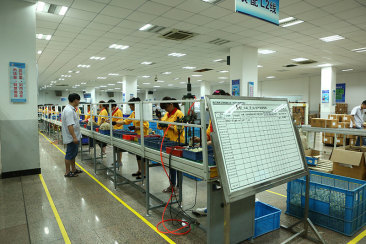
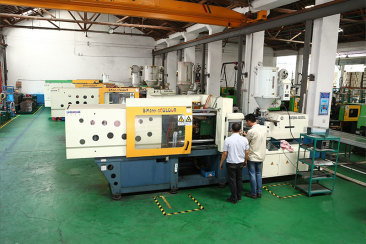
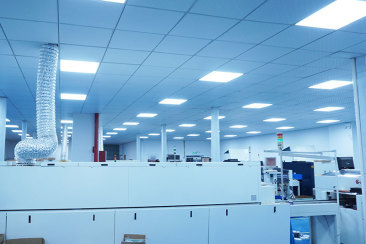
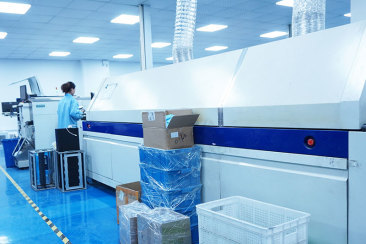
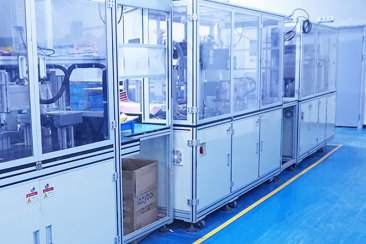
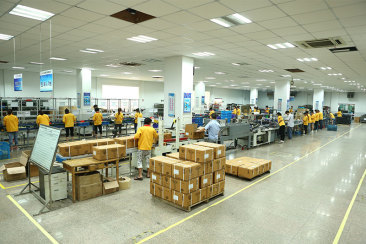
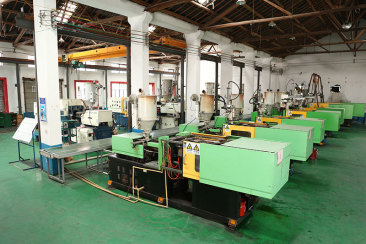
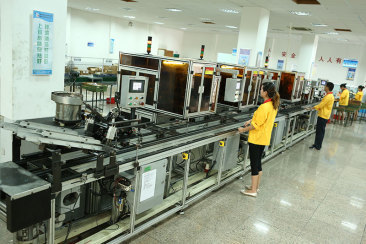
With the good quality and reputation, now we have many customers all over the world. The factory has modern workshop and motor producing line which are full automative. Also has thorough producing instrument and testing instrument. Which is the core resource of the company.
We keep on making efforts to provide perfect products to customers based on comprehensive service, we think much of common growth of the company and its staff as well as contribution and responsibility to society, therefore we expect to establish a broader, deeper and friendlier cooperation with new and regular customers.
Navigating safety certifications and shipping requirements for international lithium-ion power tool supply chains.
Power tools require CE (EMC & LVD directives) and GS certifications for distribution in Europe, alongside UL/CSA compliance for the Americas. Our manufacturing processes incorporate automated safety line testers (Hi-pot, ground continuity, insulation resistance) to guarantee compliance on every production batch.
Lithium batteries are classified as Class 9 Dangerous Goods. Our packs undergo rigorous UN38.3 testing protocols (thermal shock, vibration, short circuit, impact, overcharge, forced discharge). We provide full Material Safety Data Sheets (MSDS) and drop-tested protective packaging for safe shipping.
To support corporate environmental goals, we help partners comply with European WEEE (Waste Electrical and Electronic Equipment) and battery collection directives. Products feature clear disposal symbols and modular housing assemblies for simplified end-of-life battery pack recycling.
Lithium tool architecture is evolving beyond basic battery swaps. Ongoing material science and electrical innovations are driving next-generation power tool development.
In modern high-capacity tools, thermal management dictates maximum tool power. Modern designs use direct contact copper bars between cells, paired with conductive potting compounds. This allows tools to pull up to 80 Amps without triggering thermal shutdown thresholds.
Temperature Drop
Cell Lifetime Cycle
Answers to common technical, logistics, and production questions from distribution partners and commercial sourcing managers.
Brushless motors replace mechanical carbon brushes with electronic commutators, reducing friction and heat loss. This provides a 20-30% improvement in battery efficiency. It also eliminates brush wear, minimizing tool maintenance cycles and extending overall service life in dusty construction environments.
High-discharge tools require premium Grade-A 18650 or 21700 cells from reliable manufacturers (such as Samsung, LG, Murata, or certified tier-one brands like Tenpower). These cells support continuous high-amp output (15A to 35A) without dropping voltage, preventing premature tool cutout when cutting dense wood or structural metals.
21700 cells offer approximately 50% more volume than 18650 formats, enabling higher capacity (up to 5.0Ah or more per cell) and increased discharge rates. This extra capacity allows tools to maintain high speed and torque under heavy loads, making them ideal for high-drain applications like circular and reciprocating saws.
European imports require CE marking, GS safety certification, and compliance with RoHS, REACH, and the WEEE directive. USA imports require UL or ETL certification. For transport safety, the complete battery packs must have UN38.3 certification and an active MSDS report.
An intelligent Battery Management System (BMS) monitors individual cell voltage, total current, and temperature. If a blade jams, the BMS cuts off power to prevent motor burnout and thermal runaway. The system also prevents over-discharge, extending the overall lifecycle of the battery pack.
Custom colors and branding options require mold preparation and packaging setup. This generally results in an initial production lead time of 35 to 45 days, depending on order size. Subsequent runs are typically completed within 30 days once standard components are pre-stocked.
By ocean freight, batteries are packed in compliant dangerous goods (DG) cartons and loaded onto specialized containers. Air freight is strictly regulated under IATA guidelines; batteries must be shipped with a state of charge (SoC) below 30% and require specialized cargo aircraft routing.
Yes, we offer custom slide-track contact molds and communication pins to fit existing tool ecosystems. This process involves custom CAD modeling, precision injection tool design, and signal compatibility verification for target chargers.
Browse our additional line of professional specialty tools, fasteners, and automation units for light manufacturing and distribution.