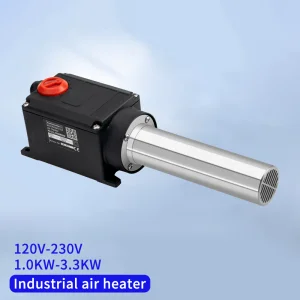
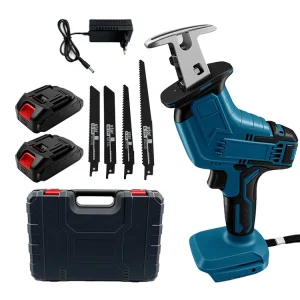
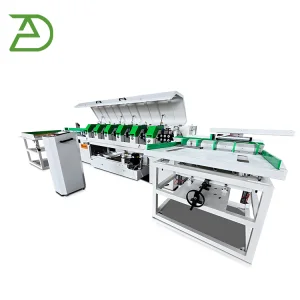
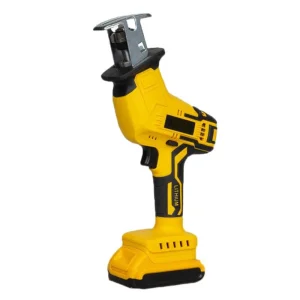
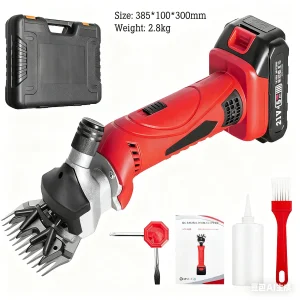
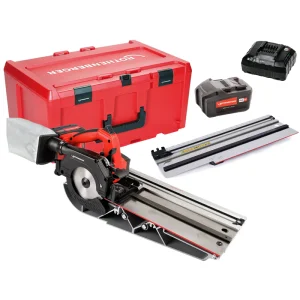
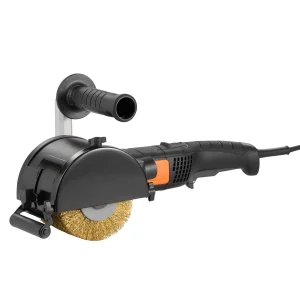
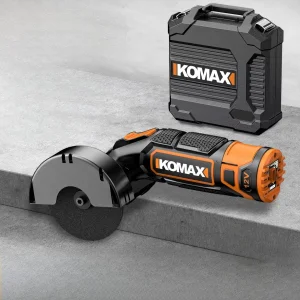
Explore our high-performance line of lithium cordless tools, rotary air blowers, and precision metal processing equipment engineered to optimize manufacturing yield.
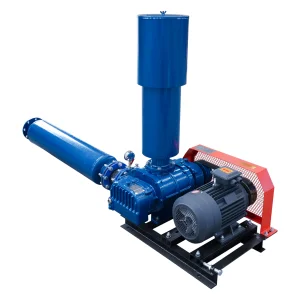
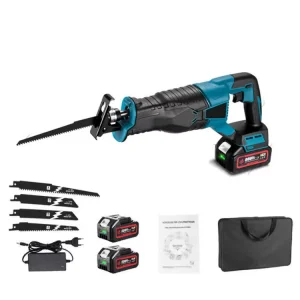
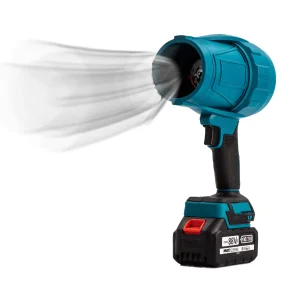
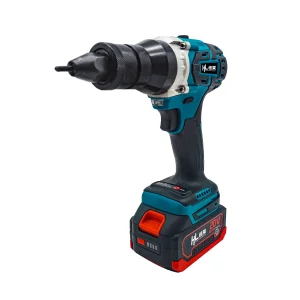
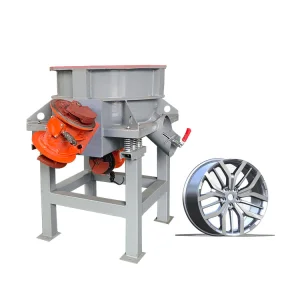
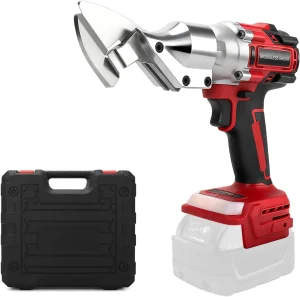
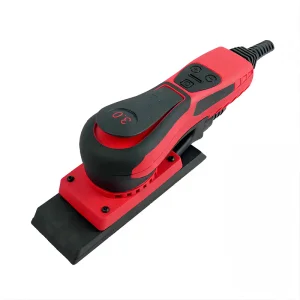
In modern automated assembly, fastening is no longer just about driving a screw into a thread; it is a critical process point that determines product lifetime, liability risk, and aesthetic quality. The "Electric Screw Machine" category has expanded from basic handheld power tools to dynamic, multi-spindle automatic screw feeding networks and smart transducerized electric screwdrivers.
Historically, manufacturers relied on mechanical clutch mechanisms. When the torque reached a predetermined mechanical resistance, the clutch slipped. While robust, this system had a margin of error upwards of 10% to 15%, which is unacceptable in modern precision applications like smartphone assembly or automotive electronic control unit (ECU) fabrication. The market has shifted heavily toward brushless DC (BLDC) motor technology, integrated torque transducers, and real-time controller feedback systems that log cycle data, count screws, and detect cross-threading or strip-out instantly.
Founded in 2013, Zhejiang Maks Tool Manufacturing Co., Ltd. (also operating within joint industrial frameworks as Zhejiang Deling Industry & Trade Co., Ltd.) is a recognized high-tech enterprise specializing in the R&D and production of professional lithium electric tools.
The company specializes in developing and producing lithium cordless tools: cordless drills, cordless screwdrivers, brushless wrenches, brushless hammers, and cordless gardening tools. By aligning factory operations strictly with the ISO9000 quality control system, Zhejiang Maks Tool has secured internationally recognized credentials including CE and GS certificates, ensuring that our products meet the stringent regulatory requirements of European, North American, and global markets.
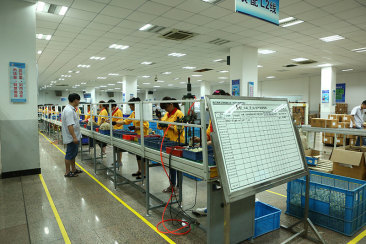
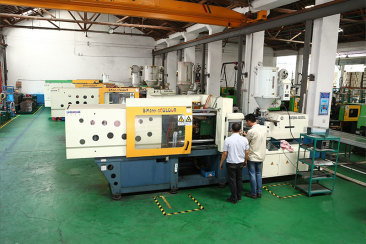
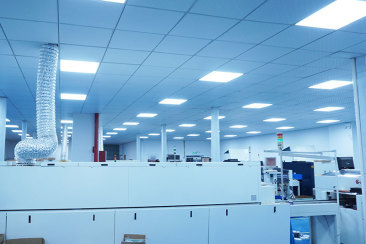
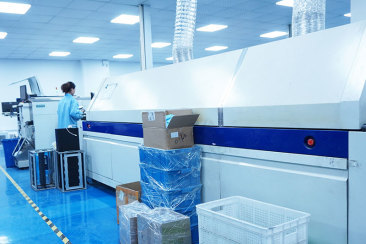
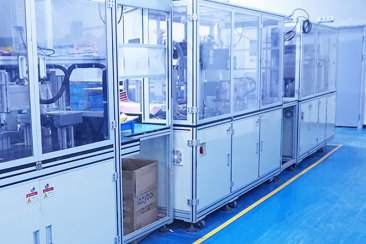
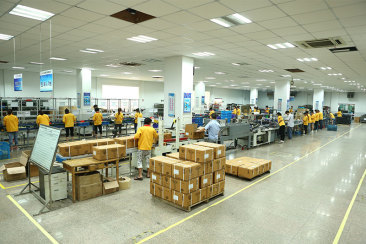
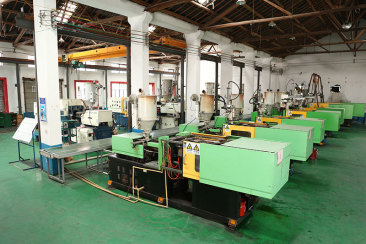
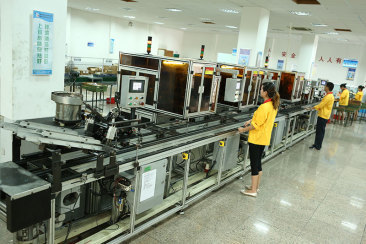
Our manufacturing facility is equipped with a modern workshop and fully automated motor production lines—the core technological resource of the company. Having comprehensive in-house production and advanced testing instruments enables us to maintain complete control over quality from raw materials to final packaging. Based on a philosophy of comprehensive service, common growth of the company and its staff, and active social responsibility, we continue to expand and deepen friendly cooperation with our global network of regular and new business partners.
Year Established
Automated Motor Lines
Quality System
Global Certifications
When evaluating the top 10 electric screw machine manufacturers, Chinese factories present strong competitive advantages across several operational dimensions:
From neodymium magnets for BLDC motors to gear machining, plastic injection molding, and microchip programming, all sub-tier components are sourced within a 100km radius in Zhejiang, lowering lead times.
Manual assembly of motors is obsolete. Standardized manufacturing utilizes robotic winding, automatic balance testing, and optoelectronic alignment to achieve near-zero deviation in motor characteristics.
Leveraging rapid tooling and 3D simulation software, Chinese developers can modify housing designs, update firmware profiles, and deliver pre-production samples in fractions of the time taken by Western competitors.
Procurement teams at multinational manufacturing corporations run detailed verification processes when selecting electric tool manufacturers. The key metrics that define a top-tier factory include:
Industrial electric screwdrivers and automated tightening stations serve diverse structural functions across multiple manufacturing sectors:
| Industry Sector | Key Requirement | Technology Solution |
|---|---|---|
| Automotive Electronics | Traceability & Safety Integrity (ASIL) | Transducerized torque + angle control, barcode binding, and MES data upload. |
| Consumer Electronics (3C) | Ultra-low torque, ESD protection | Micro-torque electric screwdrivers (down to 0.05 Nm) with carbon-fiber-charged ESD plastic. |
| Home Appliances | Throughput speed, auto-feeding | Vibratory bowl or blow-type automatic screw feeders integrated with multi-axis Cartesian robots. |
| Aerospace & Defense | FOD prevention, extreme torque accuracy | Smart handheld tools with precision clutch mechanism and digital verification displays. |
The electric tightening industry is experiencing significant changes driven by three major technological currents:
A. Transition to Smart Cordless Platforms: Corded electric screwdrivers have long dominated assembly lines due to power stability. However, advancements in lithium battery technology and high-efficiency brushless motors have enabled the creation of high-duty-cycle, battery-powered tools. These cordless tools give assembly line workers greater freedom of movement while communicating with control systems via 2.4/5GHz Wi-Fi networks.
B. Built-In Artificial Intelligence (AI): By continuously analyzing torque-time-angle curves, microprocessors on smart electric screw systems can predict stripping, detect cross-threading before it damages thread paths, and dynamically adjust motor speed profiles (soft start, quick rundown, controlled slow clamp).
C. Collaborative Robot (Cobot) Integration: The integration of lightweight automatic screw feeding systems onto cobot arms allows for fully autonomous assembly lines. The cobot controls the positioning, while the smart electric tool controller dictates the precise fastening execution, forming a highly flexible manufacturing setup.
Important questions and procurement guidance for selecting industrial fastening tools and partners.
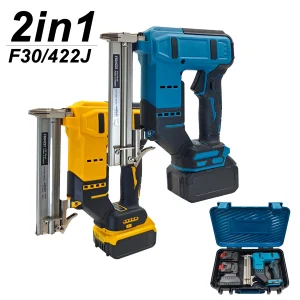
Explore our advanced range of electric metal polishers, cordless pipe cutters, and heavy-duty woodworking staplers developed to withstand harsh industrial environments.